Cuba receives 20 tons of aid as officials reject U.S. negotiations on leadership
International solidarity convoy delivers humanitarian aid to Cuba amid energy crisis, while Cuban officials refuse to negotiate political system changes with U.S.
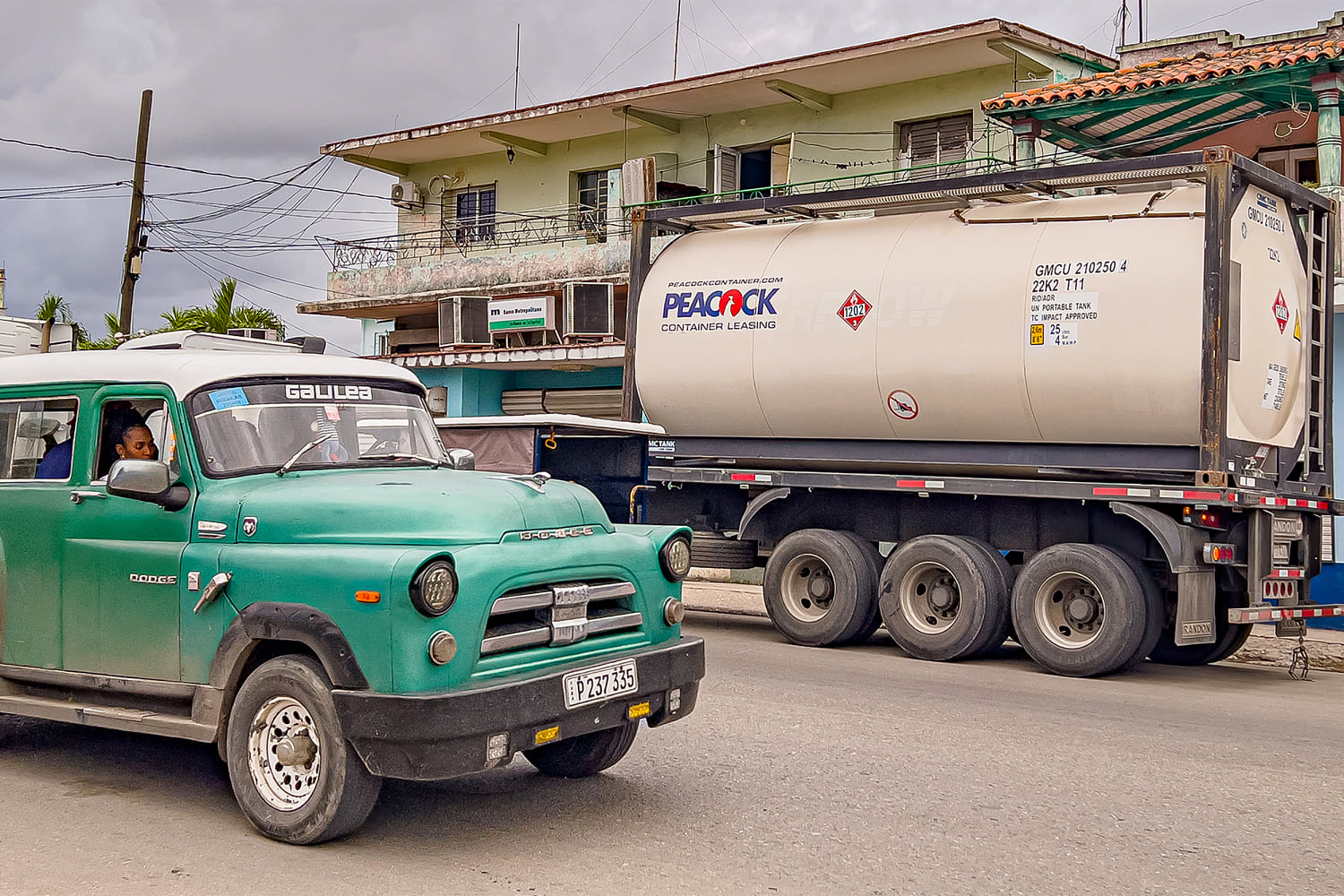
Approximately 650 delegates from 33 countries and 120 organizations arrived in Cuba on Friday as part of a solidarity caravan delivering 20 tons of humanitarian aid to the island nation, which is experiencing a severe energy crisis.
Members of the "Our America Convoy to Cuba" arrived by air from Italy, France, Spain, the United States and several Latin American countries, with additional delegates scheduled to arrive Saturday by sea from Mexico aboard three vessels. The aid includes solar panels, food and medicine to treat cancer.
The humanitarian mission comes amid heightened tensions between Cuba and the United States following an oil embargo imposed by President Donald Trump in January. Trump recently stated he expected to have the "honor" of "taking Cuba in some form," adding he "can do anything I want."
Cuban Deputy Foreign Minister Carlos Fernández de Cossío on Friday rejected any negotiations regarding changes to Cuba's political system or the potential departure of President Miguel Díaz-Canel. "The Cuban political system is not up for negotiation, nor is the president, nor the position of any official in Cuba, subject to negotiation with the United States or with the government of any other country," Fernández de Cossío said.
The energy embargo has brought the island to near standstill, exacerbating a five-year economic crisis. Several analysts and regional leaders, including Mexican President Claudia Sheinbaum, have warned of a possible humanitarian crisis in Cuba.
Beyond the international convoy, Brazil announced plans to send 20,000 tons of food, primarily rice, beans and powdered milk. China also reported through its embassy that a ship carrying 60,000 tons of rice has set sail for Cuba. A group of Chilean parliamentarians arrived with aid on Thursday.