Tech Companies Roll Out AI Health Tools Amid Growing User Concerns About Accuracy
Amazon launches AI health assistant while studies show users worry more about AI errors than job displacement, as scammers exploit tech platforms.
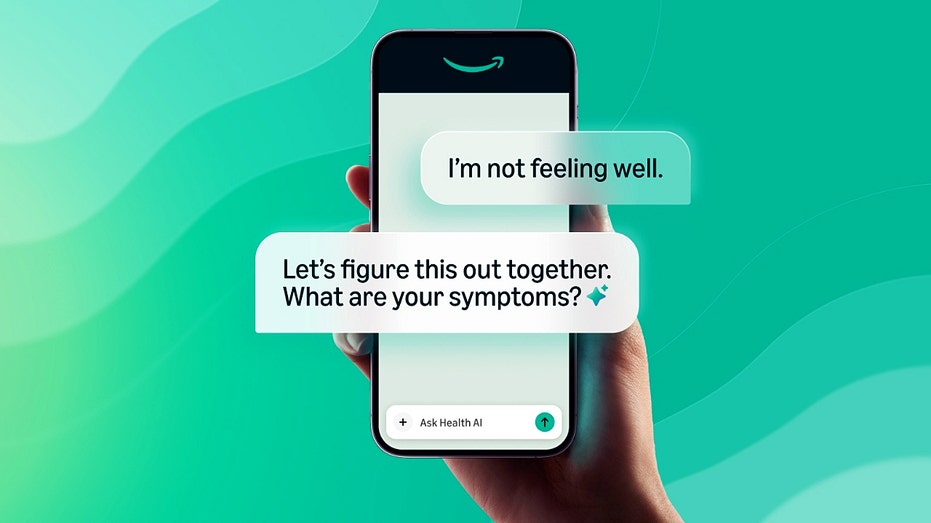
Technology companies are expanding artificial intelligence services into healthcare and productivity applications while users express mounting concerns about AI reliability and accuracy.
Amazon has begun rolling out its Health AI assistant to U.S. customers, positioning the tool as a pocket-accessible medical advisor. The company states the service operates within HIPAA-compliant parameters and does not utilize personal health information for advertising purposes, addressing privacy concerns that have accompanied AI health applications.
Meanwhile, research indicates that users are more concerned about AI systems producing incorrect information, known as "hallucinations," than about potential job losses from automation. This finding suggests public anxiety centers more on the reliability and trustworthiness of AI outputs rather than employment displacement fears that have dominated much of the AI discourse.
The AI expansion comes as companies report increased productivity gains, with businesses achieving more output with existing workforce levels in what analysts describe as an AI-driven efficiency era. This trend presents opportunities for workers to leverage AI tools to enhance their productivity and value within organizations.
However, the growing prominence of AI platforms has also created new opportunities for fraudulent schemes. Google has issued warnings about YouTube job scams spreading globally through text messages, advising users to watch for unrealistic pay offers and requests to move conversations to messaging platforms like Telegram or WhatsApp.
The developments highlight both the promise and challenges of AI integration across various sectors, as companies balance innovation with user safety and trust concerns.