Bipartisan Senate bill aims to regulate college sports payments and transfers
Senators Cruz and Cantwell introduce legislation to address NIL payments, limit transfers, and restrict coaching movement in college athletics.
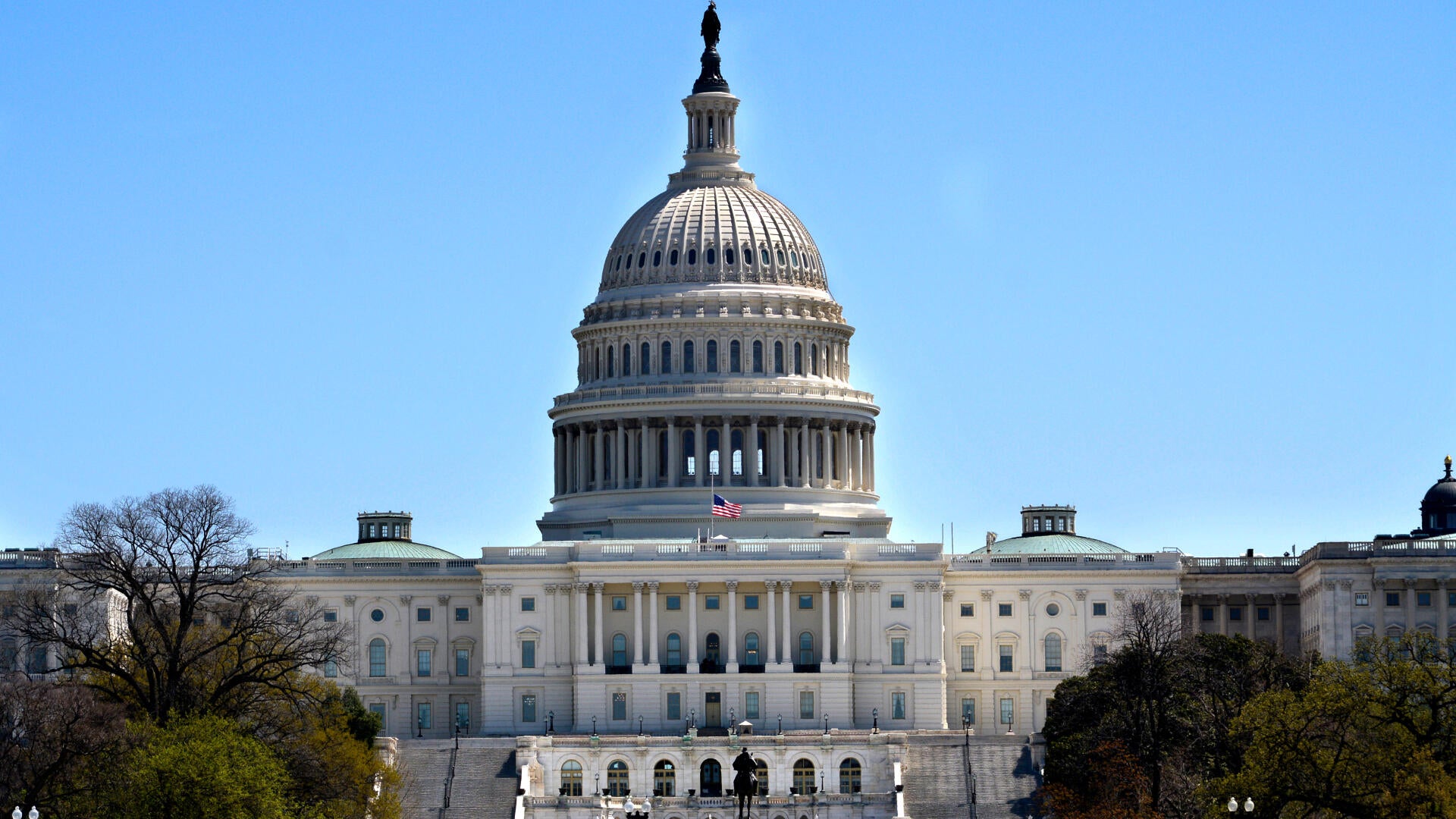
Senators Ted Cruz (R-Texas) and Maria Cantwell (D-Washington) are set to introduce bipartisan legislation aimed at addressing chaos in college sports, including regulations on player payments and transfer policies. The bill, called the Protect College Sports Act, represents an effort to break a congressional logjam over college athletics reform.
The legislation would provide limited antitrust protection to the NCAA in exchange for new protections for athletes in 10 areas, including guarantees for health insurance and scholarships, along with stricter regulations for name, image and likeness (NIL) deals from third parties. The bill would also preempt much of the current patchwork of state laws regulating NIL payments.
Under the proposed legislation, college athletes would be limited to one unrestricted transfer during their careers, addressing concerns about the current transfer portal system. The bill would also adopt eligibility periods similar to what the NCAA is considering implementing.
The legislation includes what supporters call a "Lane Kiffin Rule" that would prohibit midseason coaching changes, named after the coach's recent move from Mississippi to LSU during playoff preparation. "It's not fair or right to poach a coach in the middle of the season while the team is still competing," Cruz said.
The bill would also rework the Sports Broadcasting Act to allow conferences to pool television rights, with any participating leagues required to use a percentage of increased revenue to support women's and Olympic sports. Cruz and Cantwell said the legislation takes a neutral stance on whether college athletes should be classified as employees.
The measure draws from previous legislative proposals that have stalled in Congress, including the SCORE and SAFE acts. College sports organizations have been seeking federal intervention as rising player payment costs and transfer portal activity have threatened smaller sports programs that form the backbone of the U.S. Olympic pipeline.