Solar energy development expands across US amid regulatory and financial challenges
Solar projects are growing in industrial regions while existing facilities face regulatory disputes over operations and costs.
Solar energy development is experiencing significant activity across different regions of the United States, though projects face varying challenges related to regulation and financing.
In Ohio's industrial midwest, solar installations are expanding to meet growing electricity demand. The Twin Lake Reservoir area in Lima, Ohio, which previously attracted mainly recreational fishing, has become a center of solar development activity. Regional electricity demand has increased due to multiple factors including data center operations and rising utility costs.
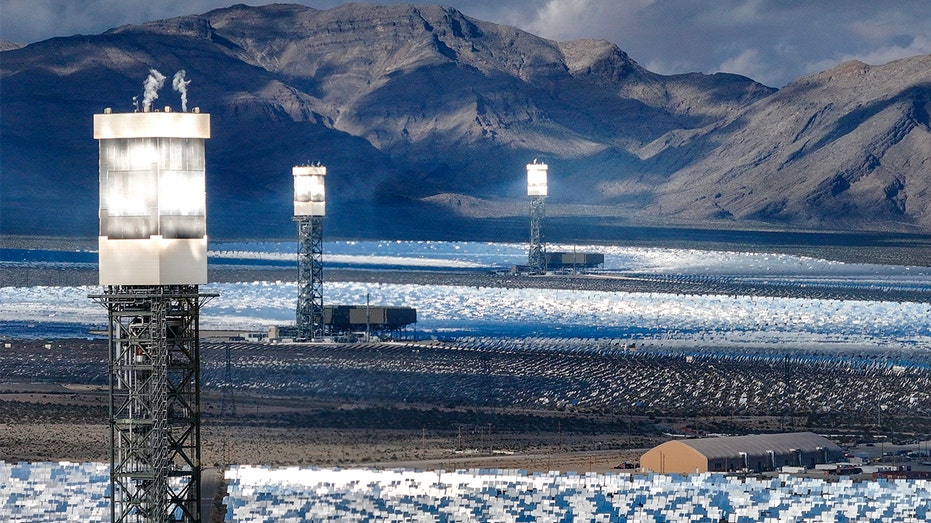
Meanwhile, existing solar facilities are facing regulatory and financial disputes. The Ivanpah solar plant in California, which received federal backing totaling $2.2 billion, has become the subject of a standoff between regulators and operators. California regulators have blocked efforts to shut down the facility, creating ongoing financial obligations for taxpayers and electricity customers.
The contrasting situations highlight the complex landscape facing solar energy development in the United States. While some regions are experiencing expansion driven by industrial demand, established projects are encountering operational and regulatory challenges that affect their long-term viability.
The solar industry's growth comes amid broader discussions about energy infrastructure, grid reliability, and the financial sustainability of renewable energy projects across different markets and regulatory environments.