Iran Conflict Disrupts Global Energy Markets, Tests China's Economic Resilience
Ongoing conflict involving Iran has disrupted global oil supplies, creating energy security challenges for major economies including China, Europe and the US.
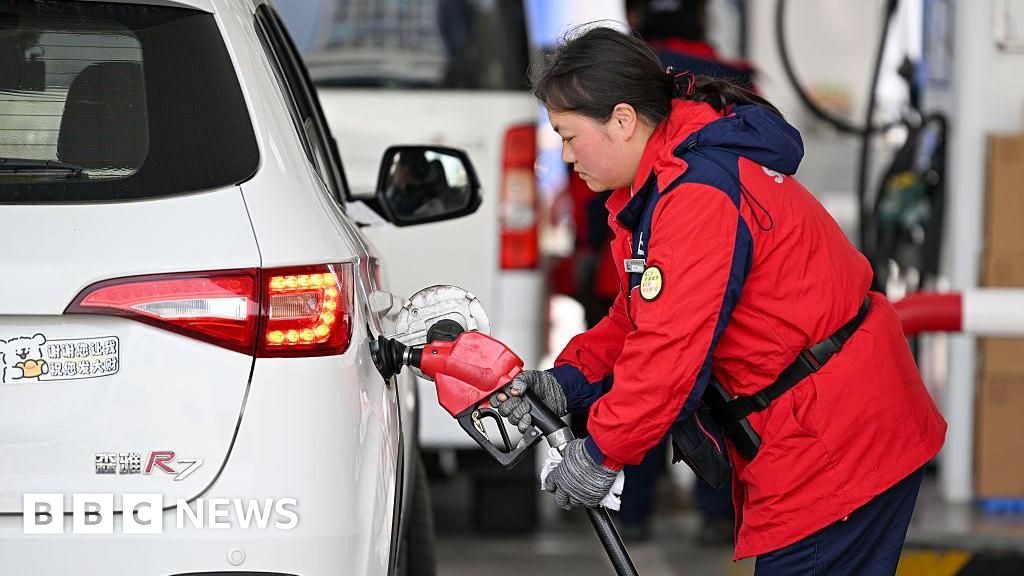
An ongoing conflict involving Iran has significantly disrupted global oil supplies, creating widespread energy security concerns across major economies. The disruption has led to ripple effects throughout international markets, affecting both energy and commodity sectors.
China faces particular challenges as the crisis tests the country's strategic oil reserves and energy infrastructure. Beijing's efforts to diversify its energy portfolio through renewable sources are now under increased scrutiny as traditional supply chains face strain. The nation's aluminum sector has also been affected, with supplies accumulating domestically as global trade patterns shift.
Europe and the United States are similarly grappling with energy security concerns as the crisis extends over time. Both regions are reassessing their energy supply strategies and examining their resilience to prolonged disruptions from key oil-producing regions.
The situation highlights the interconnected nature of global energy markets and the vulnerability of major economies to supply shocks from geopolitically sensitive regions. Energy analysts are closely monitoring how different nations adapt their policies and supply chains in response to the ongoing crisis.
The duration and ultimate resolution of the conflict remain uncertain, leaving markets and governments to navigate continued uncertainty in global energy supplies.