Shrinking Sea Ice Affects Emperor Penguin Molting Patterns, Scientists Report
Researchers observe changes in emperor penguin behavior as reduced sea ice impacts their annual feather replacement process.
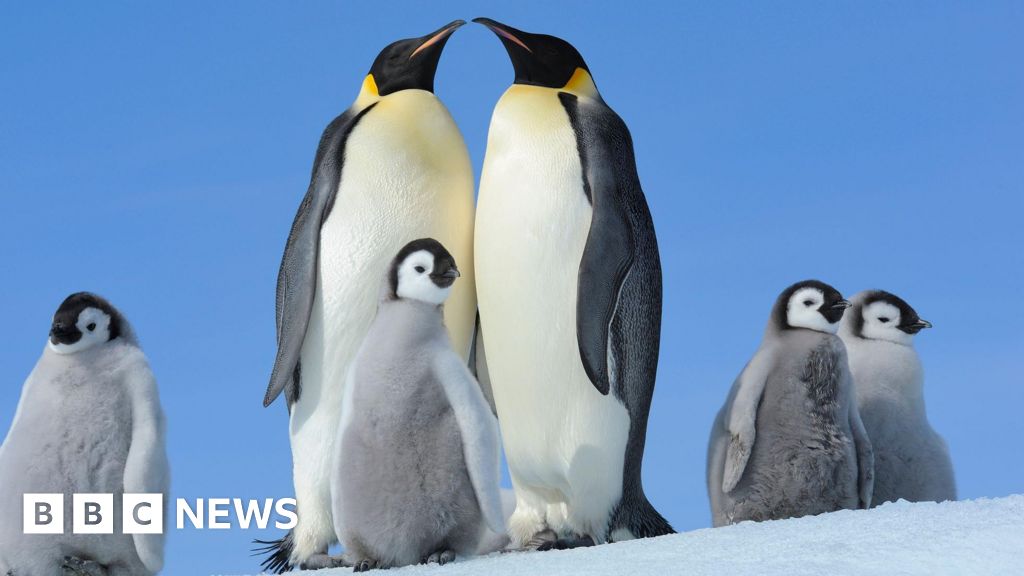
Scientists are monitoring changes in emperor penguin behavior as shrinking sea ice affects the birds' annual molting process, according to recent satellite observations.
Emperor penguins require stable floating ice platforms during their yearly molt, when they must remain stationary long enough to replace their weather-worn feathers. This process is essential for the birds' survival in Antarctic conditions.
Satellite imagery shows the birds are forming smaller, more densely packed groups as available sea ice diminishes. The reduced ice coverage is forcing penguins to concentrate in fewer suitable locations during this vulnerable period.
The molting process requires penguins to remain on ice for extended periods while new feathers grow, making them temporarily unable to enter the water to hunt. Scientists note that overcrowding during this critical time could impact the birds' ability to successfully complete their molt.
Researchers continue to study how changing ice conditions in Antarctica may affect emperor penguin populations and their traditional behaviors. The species relies heavily on sea ice for breeding, molting, and other essential life cycle activities.