Georgia lawmakers convene special session to address vote-counting deadline
Georgia faces election uncertainty as lawmakers meet to resolve a 2026 deadline banning QR code vote counting with no replacement system in place.
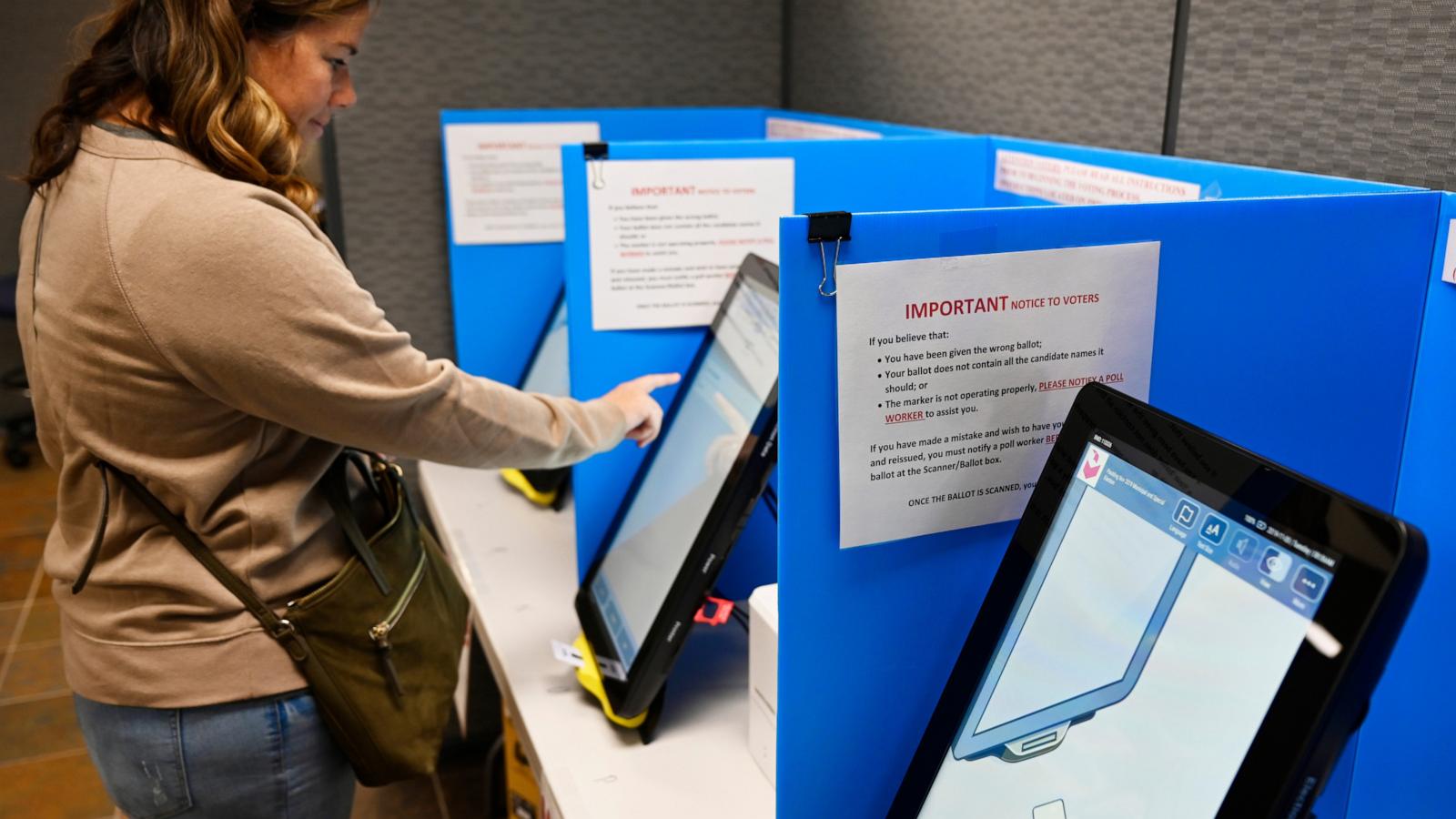
Georgia lawmakers are expected to address an unresolved election issue when they convene for a special session this week, as the state faces a looming deadline that could disrupt its vote-counting procedures.
The state currently uses a voting system that relies on QR codes printed on ballots to tally votes. However, legislation passed in 2024 prohibits the use of these barcodes for official vote counts after July 1, 2026. Despite the approaching deadline, no replacement tabulation method has been implemented in the two years since the law's passage.
Republican Governor Brian Kemp called the special session beginning Wednesday to address the issue, along with redrawing congressional maps for 2028 elections. The timing is particularly pressing given a scheduled special election on July 28 to fill the congressional seat left vacant by the death of Representative David Scott in April.
The situation has been complicated by conflicting guidance from state election authorities. The Secretary of State's office has instructed counties to continue using current voting machines while implementing a secondary counting process using optical character recognition software. However, the State Election Board, which has a Trump-aligned majority, issued contradictory guidance directing counties to use hand-marked paper ballots as emergency backup if the deadline is not extended.
The QR code system was first implemented statewide during Georgia's 2020 primary election. Following the 2020 general election, the system faced criticism from both election integrity advocates who cited security concerns and supporters of former President Trump who made unsubstantiated claims about vote manipulation.
Local election officials in affected counties, including Henry County where the special election will occur, say they are awaiting clearer direction from the state. Some candidates in the special election have expressed concern about potential legal challenges if new voting procedures are implemented without sufficient preparation time.