States Increase Restrictions on 3D-Printed Firearms Amid Constitutional Debate
Multiple state legislatures are enacting new regulations targeting 3D-printed guns, creating legal challenges over Second Amendment rights.
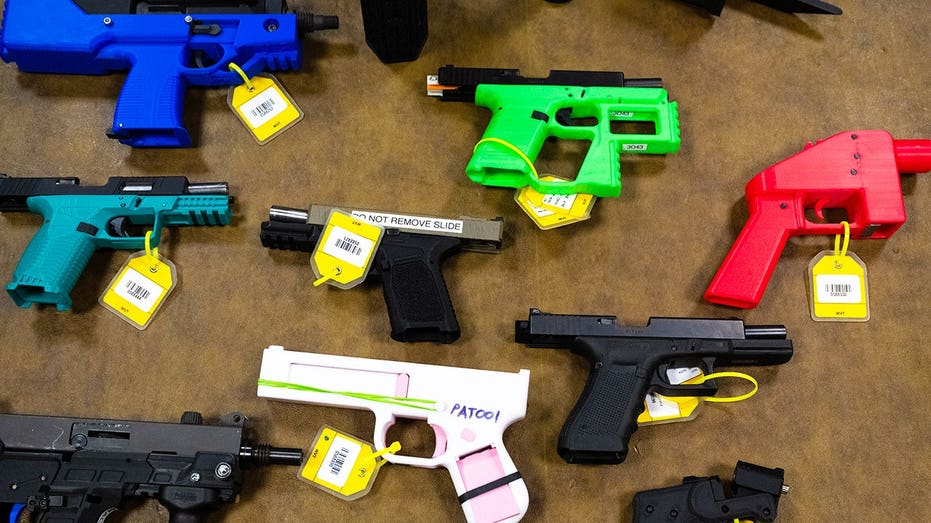
Lawmakers across multiple states are implementing new restrictions on 3D-printed firearms, creating a growing legal battleground over gun rights and regulations.
The legislative efforts target firearms that can be manufactured using 3D printing technology, which allows individuals to create gun components or complete weapons using digital blueprints and specialized printers. These weapons have drawn regulatory attention due to concerns about their potential to circumvent traditional gun control measures.
The state-level restrictions have prompted legal challenges from gun rights advocates who argue the regulations violate Second Amendment protections. Constitutional law experts note that the debate centers on whether states can regulate the manufacturing methods for firearms while still preserving individual gun rights.
The emerging patchwork of state laws creates varying regulatory environments across the country, with some states implementing stricter controls while others maintain more permissive approaches to 3D-printed firearms.
Legal observers expect the constitutional questions surrounding these regulations will likely advance through federal courts, potentially setting precedents for how emerging technologies intersect with established constitutional rights.