Trump Immigration Policies Target Countries Most Vulnerable to Climate Disasters
Analysis shows Trump's immigration restrictions disproportionately affect nations facing severe climate-related displacement challenges.
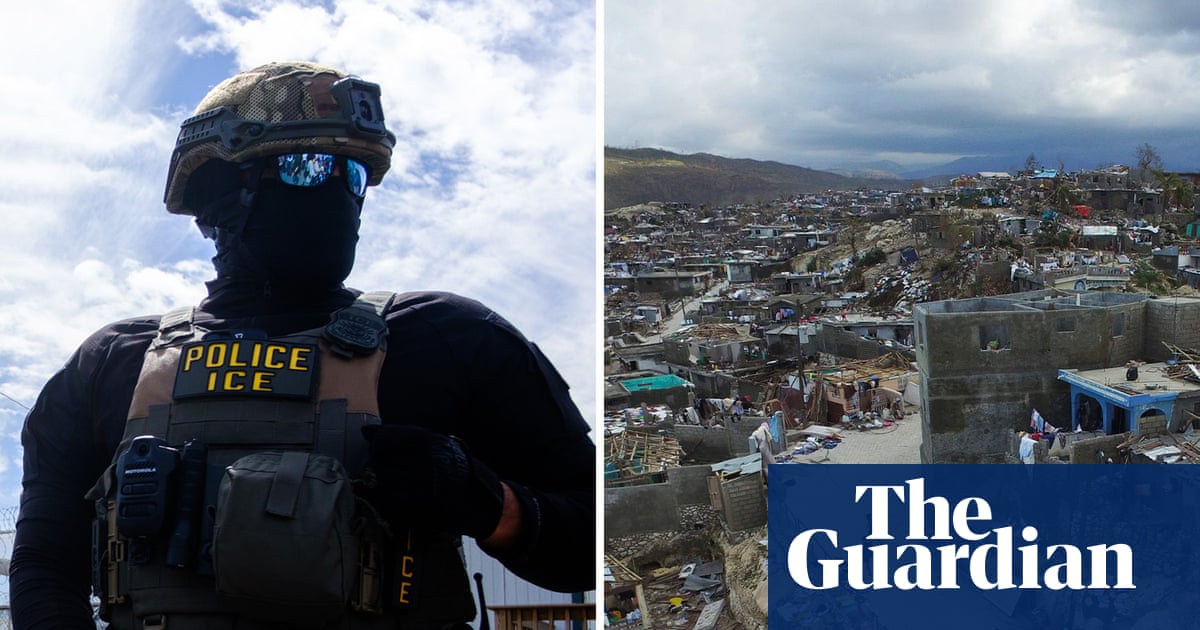
A new analysis reveals that the majority of countries facing U.S. entry restrictions under the Trump administration are among those most vulnerable to climate-driven displacement and environmental disasters.
The analysis examined 39 countries subject to various U.S. immigration restrictions and found that most face significant risks from storms, floods, droughts, and other climate-related events that force people to leave their homes. These restrictions come as millions worldwide are being displaced by extreme weather events that scientists link to climate change.
Currently, neither U.S. nor international law recognizes environmental hazards or climate-related displacement as valid grounds for asylum claims or other legal migration pathways. This legal gap leaves those fleeing climate disasters without formal protection under existing refugee frameworks.
The Trump administration has implemented various policies that restrict immigration from multiple countries while simultaneously pursuing policies that boost fossil fuel production. These immigration restrictions affect nations where populations face increasing displacement from climate impacts.
Climate scientists have documented rising numbers of people forced to relocate due to extreme weather events, including hurricanes, flooding, prolonged droughts, and heat waves. However, the current international refugee system, established decades ago, does not account for environmental causes of displacement.
The convergence of restrictive immigration policies with increasing climate-driven displacement presents challenges for affected populations seeking safety and legal pathways to migration, according to the analysis.