Mangrove Forests Show Recovery After Decades of Human-Caused Damage
Mangrove ecosystems are demonstrating unexpected recovery following extensive historical destruction from human activities.
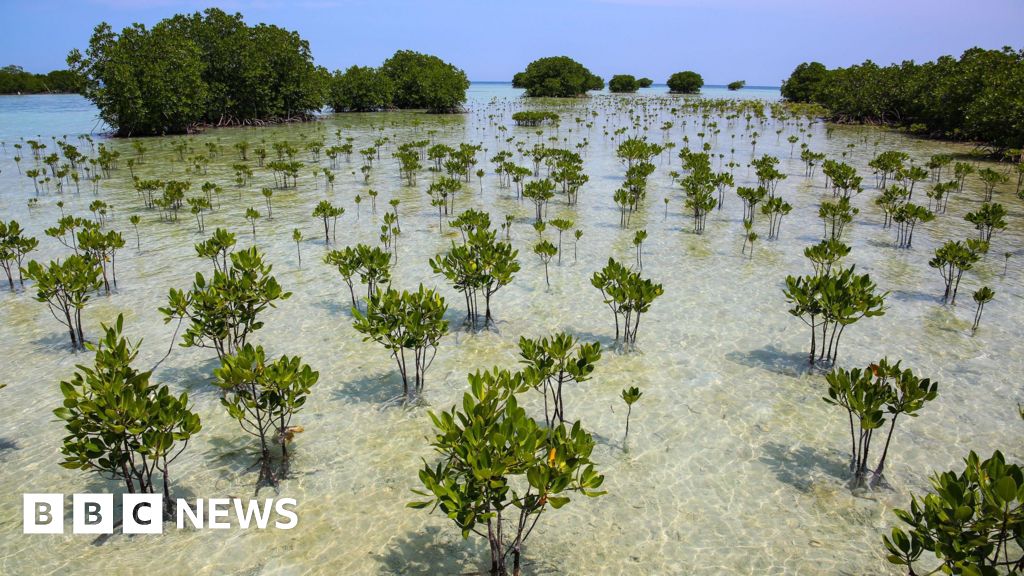
Mangrove forests are showing signs of recovery after decades of destruction from human activities, according to recent environmental observations. These coastal wetland ecosystems, characterized by their distinctive root systems and ability to thrive in saltwater conditions, have experienced significant regeneration in various locations worldwide.
The recovery of mangrove forests represents positive developments for both coastal protection and climate regulation. These ecosystems serve as natural barriers against storm surge and coastal erosion while also functioning as carbon storage systems that help mitigate climate change impacts.
Mangrove forests have historically faced extensive destruction due to coastal development, aquaculture expansion, and other human activities. The ecosystems play crucial roles in supporting marine biodiversity and providing livelihoods for coastal communities through fishing and tourism.
The regeneration of these forests occurs through both natural processes and human intervention, including restoration projects and protective legislation. Scientific monitoring indicates that under appropriate conditions, mangrove ecosystems can recover relatively quickly compared to other forest types.
Coastal communities that depend on mangrove ecosystems for protection and economic activities stand to benefit from the continued recovery of these forests. The restoration represents an intersection of environmental conservation and community resilience efforts in vulnerable coastal regions.