Research examines ultra-processed food impacts and waste reduction methods
New findings explore health effects of processed foods while highlighting fermentation techniques for reducing food waste.
Recent research has examined the health impacts associated with ultra-processed foods, with findings suggesting that harmful effects may be linked to the content of these products rather than their manufacturing processes.
A review published in a major publication indicates that the nutritional composition and ingredients in ultra-processed foods, rather than the processing methods themselves, may be the primary drivers of negative health outcomes. This distinction could have implications for how food manufacturers and health authorities approach product development and regulation.
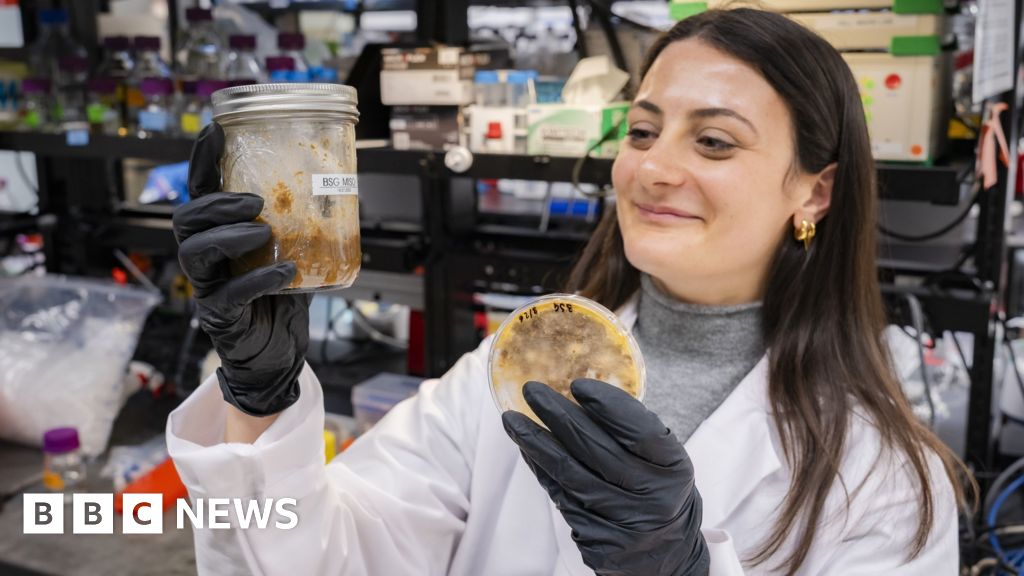
Separately, researchers and food technologists are highlighting traditional fermentation techniques as a means of converting food processing byproducts into valuable products. These methods, described as ancient practices, can transform what would otherwise be discarded materials into cheese-like products and other food items.
The fermentation approach represents a potential solution to food waste reduction, allowing manufacturers to derive value from materials that would typically be disposed of during food processing operations. This technique aligns with growing industry focus on sustainability and waste minimization in food production systems.