NOAA Issues Geomagnetic Storm Watch as Solar Flares Head Toward Earth
Three coronal mass ejections from recent solar flares may create enhanced northern lights visible further south than usual across the United States.
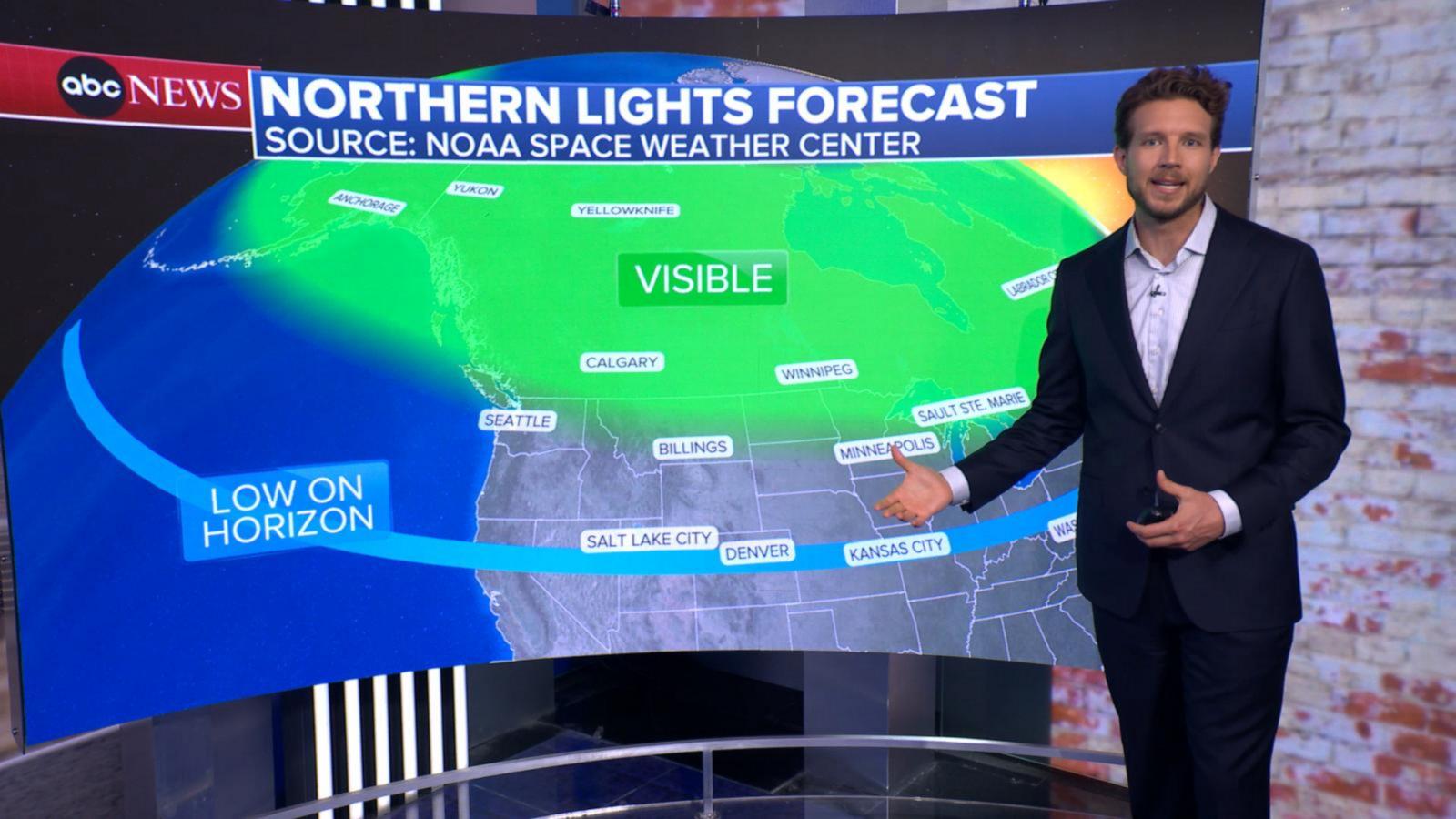
The National Oceanic and Atmospheric Administration's Space Weather Prediction Center has issued a geomagnetic storm watch following three solar flares that erupted from the sun this week.
The solar activity has produced coronal mass ejections that are expected to reach Earth, potentially creating enhanced aurora displays visible to observers across the United States. The geomagnetic disturbances could allow the northern lights to be seen further south than their typical viewing range.
Coronal mass ejections occur when the sun releases large amounts of plasma and magnetic field into space. When these charged particles interact with Earth's magnetic field, they can produce the colorful auroral displays commonly known as the northern lights or aurora borealis.
The timing and intensity of the geomagnetic effects will depend on the arrival and strength of the solar material as it reaches Earth's magnetosphere. Space weather officials are monitoring the situation to provide updates on viewing conditions for potential aurora watchers.
Geomagnetic storms can also affect satellite communications, GPS systems, and power grids, though NOAA has not reported any immediate concerns about infrastructure impacts from the current solar activity.