Red stripes in Welsh cave identified as Britain's oldest known prehistoric art
Rock markings in Wales, previously thought to be natural formations, have been confirmed as prehistoric art dating back over 17,000 years.
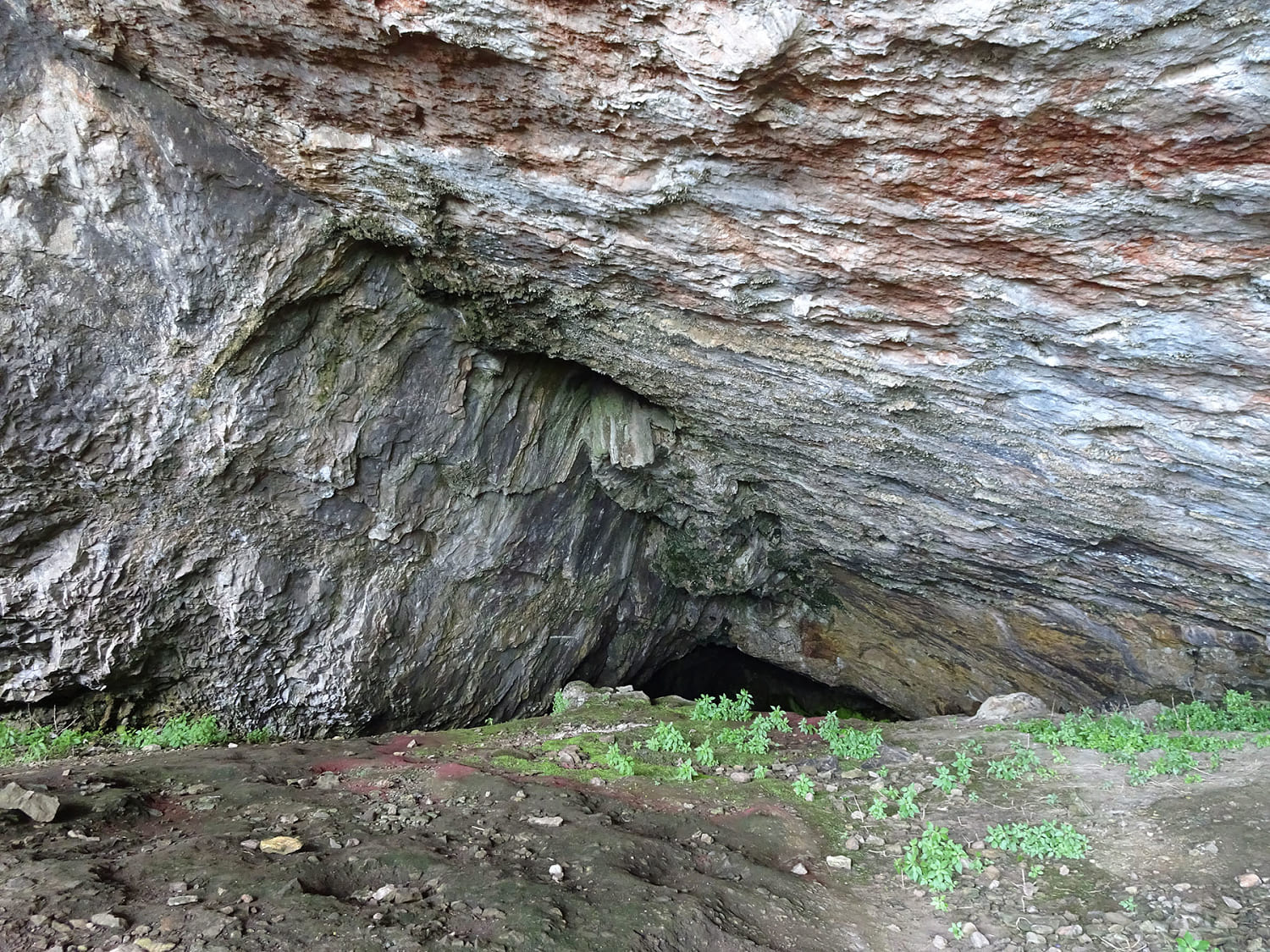
Red stripes on a rock formation in a Welsh cave have been identified as the oldest known prehistoric art in Britain, overturning more than a century of assumptions that the markings were a natural phenomenon.
The discovery represents a significant breakthrough in understanding early human artistic expression in the British Isles. For over 100 years, researchers had dismissed the red stripes as naturally occurring formations rather than human-made artwork.
The markings are estimated to be more than 17,000 years old, making them the earliest confirmed examples of prehistoric art found in Britain to date. The age of the artwork places it in the Upper Paleolithic period, when early humans were creating some of their earliest known artistic expressions.
The cave where the art was discovered is located in what is now considered a scenic area of Wales. The precise location and specific dating methods used to confirm the artwork's age and human origin were not detailed in the initial reports.
Despite the confirmation that the stripes represent deliberate human artistic creation, researchers say the meaning and purpose behind the ancient artwork remains unknown. The significance of the red pigment and stripe patterns to the prehistoric artists who created them continues to be a subject for further study.
The reclassification of these markings as intentional art rather than natural phenomena highlights how scientific understanding of prehistoric human activity continues to evolve as new analytical techniques become available to researchers.