Harvard Study Finds Cash Users Subsidize Credit Card Rewards Programs
Research indicates people paying with cash and debit cards effectively subsidize $30 billion annually in credit card perks and rewards programs.
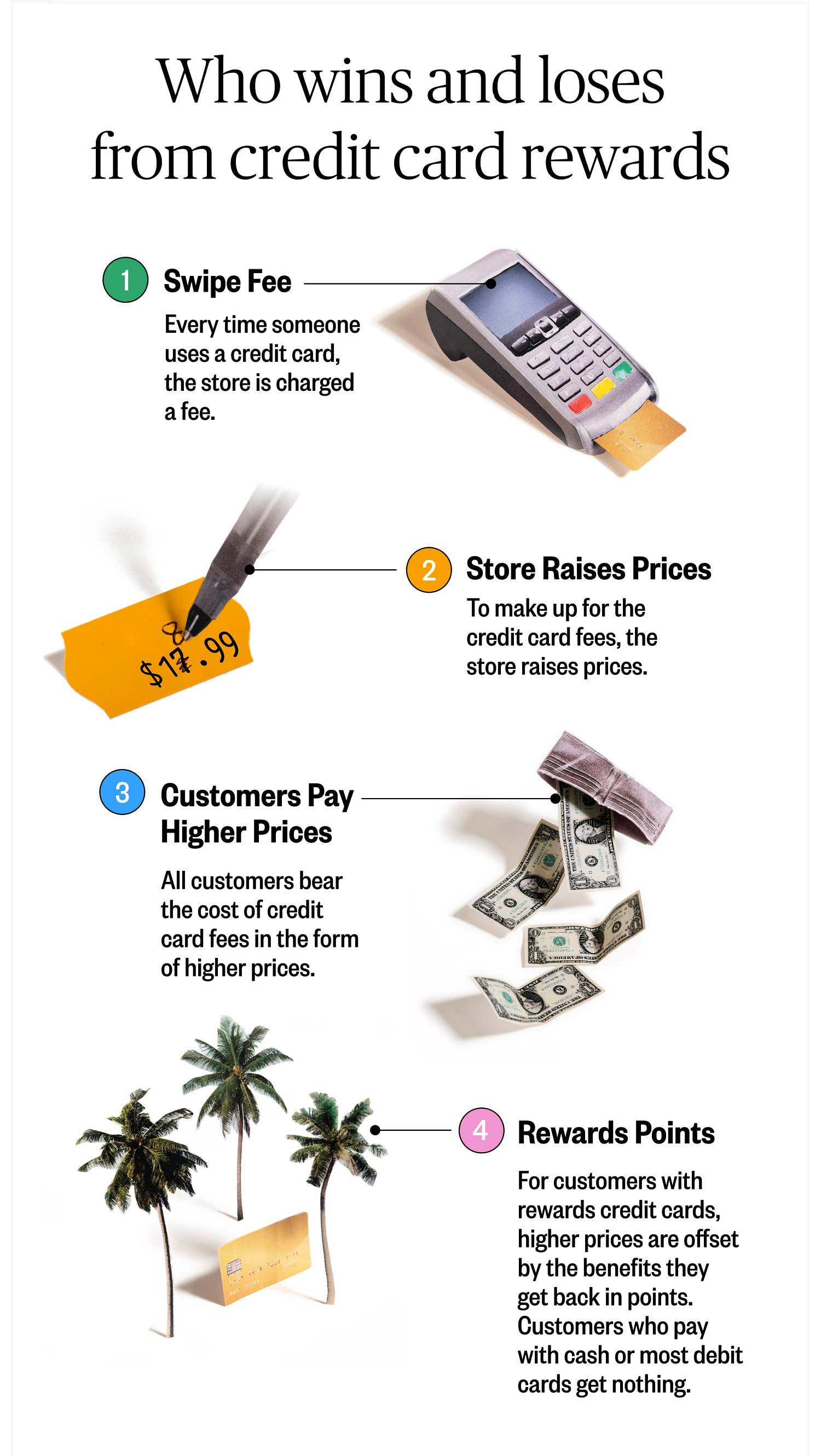
A new Harvard University study has found that consumers who pay with cash and debit cards are effectively subsidizing rewards programs for credit card users to the tune of approximately $30 billion annually.
The research highlights how the credit card rewards system creates a wealth transfer from lower-income consumers, who are more likely to use cash or debit cards, to higher-income consumers who typically use rewards credit cards for purchases.
Credit card companies fund their rewards programs through interchange fees charged to merchants for processing card transactions. These fees are typically passed on to consumers through higher retail prices that affect all shoppers, regardless of their payment method.
The study's findings come as financial literacy among Americans has declined to its lowest level in a decade, according to a separate TIAA-Stanford University survey. The survey found that fewer people can correctly answer basic financial questions, suggesting many consumers may not fully understand how payment systems and associated costs work.
The Harvard research adds to growing scrutiny of the credit card industry's fee structure and its impact on different consumer segments. Critics argue that the current system disproportionately benefits affluent consumers who can qualify for premium rewards cards while imposing costs on those who rely on cash transactions.