NATO Defense Spending, China Tensions Dominate Security Discussions
Defense spending targets, China's regional activities, and transatlantic relations featured prominently in recent security discussions and policy developments.
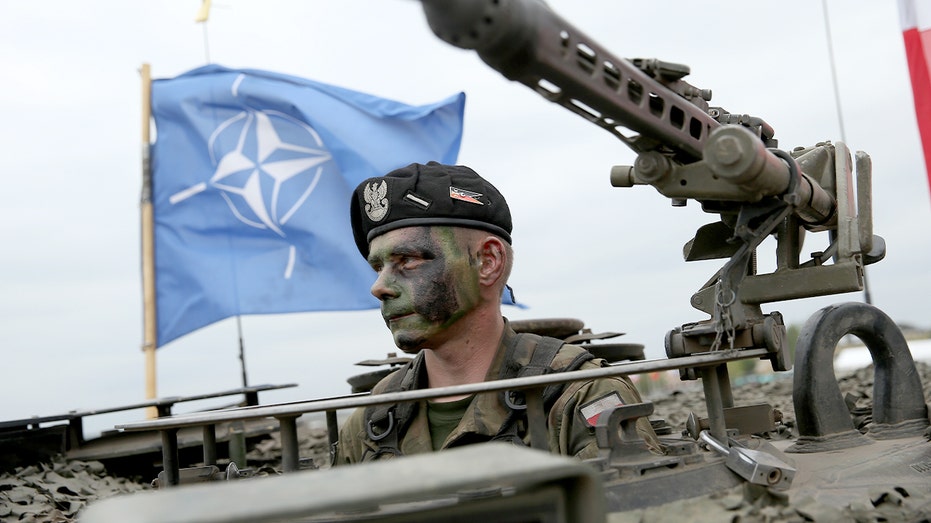
Defense spending commitments and regional security tensions took center stage in recent international security discussions, with NATO allies facing pressure to meet military investment targets while navigating complex geopolitical challenges.
The United States criticized European defense spending levels during NATO discussions that also addressed alliance commitments to Asian security partners. Czech Republic's Prime Minister acknowledged in comments to the Financial Times that the country would likely miss NATO's defense spending target, highlighting ongoing challenges within the alliance regarding military investment commitments.
In the Asia-Pacific region, China conducted patrols around Scarborough Shoal following warnings from the Philippines about potential threats in the disputed waters. The territorial dispute reflects broader tensions in the South China Sea, where multiple nations maintain competing claims over strategic waterways.
South Korea and Japan held discussions about a potential military-logistics support agreement, according to Seoul officials, as regional partners strengthen defense cooperation amid evolving security dynamics. These talks represent part of broader efforts by Indo-Pacific nations to deepen defense ties as geopolitical uncertainties persist.
Meanwhile, the European Union considered temporarily freezing the Russia oil price cap mechanism due to concerns related to the Iran situation, according to Bloomberg reporting. German defense officials separately called for greater clarity from the United States regarding transatlantic defense cooperation.
The developments occurred as defense analysts noted increasing regional defense partnerships across the Indo-Pacific, with nations seeking to hedge against uncertainty while managing relationships with both the United States and China.