US-Iran Military Clash Disrupts Peace Talks, Sends Oil Prices Higher
The United States and Iran exchanged fire in the Strait of Hormuz, marking the second military confrontation in three days and casting doubt on ongoing peace negotiations.
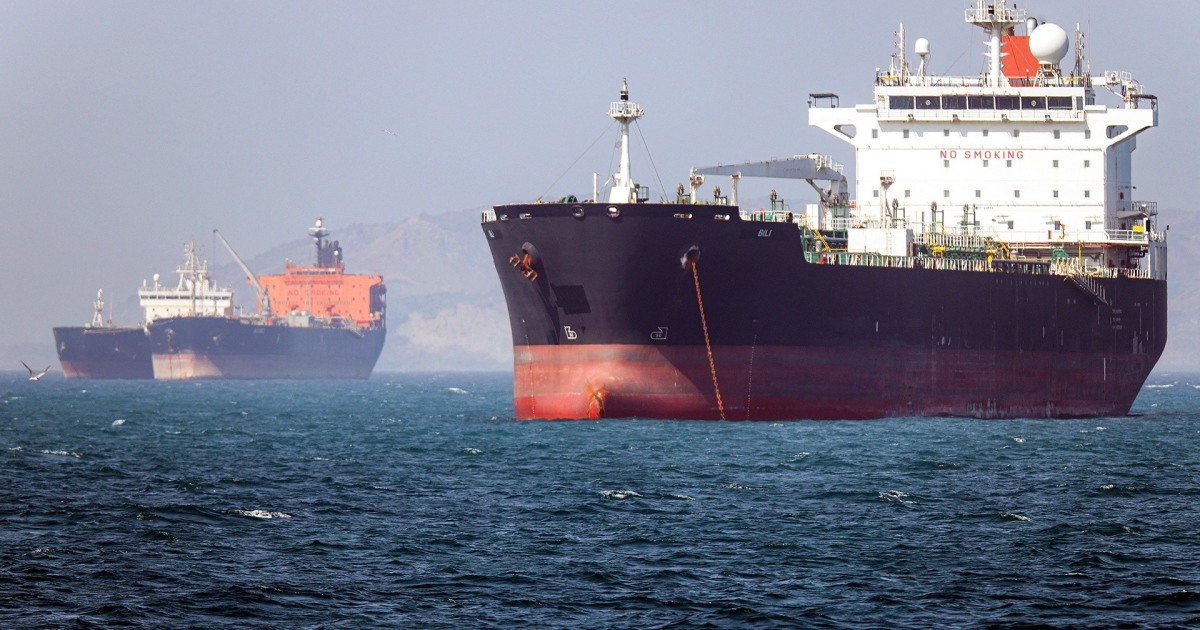
The United States and Iran engaged in military action in the Strait of Hormuz, marking their second clash in three days and raising questions about the future of peace talks between the two nations.
According to Iranian media reports, Iranian forces fired warning shots at American ships attempting to pass through the Strait of Hormuz without proper authorization. The U.S. military subsequently responded with strikes, which an American official characterized as defensive measures.
The confrontation has had immediate economic consequences, pushing oil prices higher as markets react to heightened tensions in the strategically important waterway. U.S. Treasury bonds also declined as investors adjusted their positions in response to the geopolitical developments.
Both countries have accused each other of violating existing truces, complicating diplomatic efforts to resolve ongoing disputes. The exchange of fire has cast new uncertainty over peace talks that were already facing significant challenges.
The Strait of Hormuz serves as a critical chokepoint for global oil shipments, making any military activity in the region particularly sensitive for international markets and energy supplies. The latest incident underscores the fragile nature of U.S.-Iran relations despite diplomatic efforts to establish dialogue between the two nations.