NASA awards contracts for lunar base missions ahead of 2028 crewed moon landing
NASA announced contracts with four companies for uncrewed missions to establish infrastructure for a permanent moon base before astronauts return in 2028.
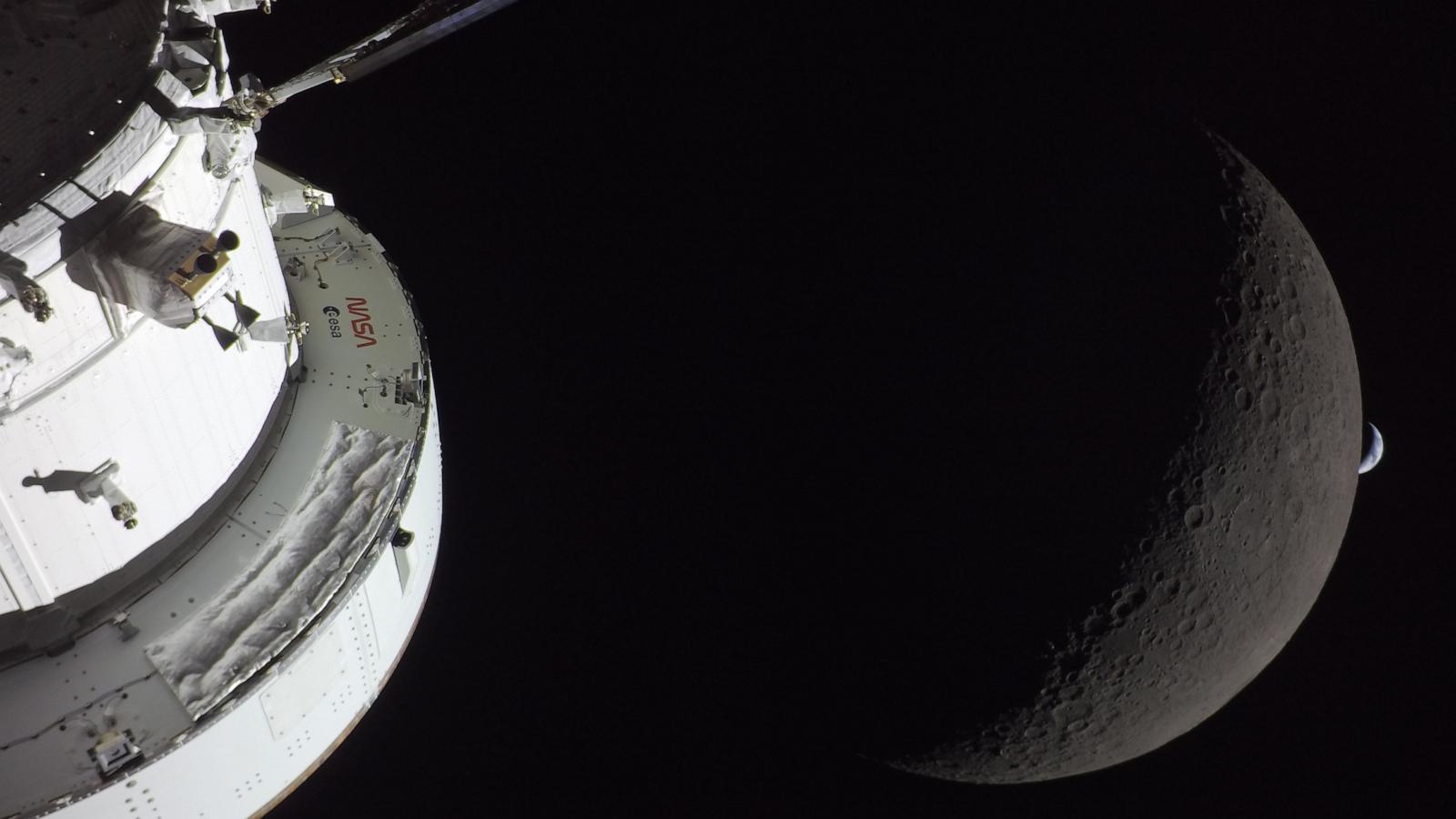
NASA announced Tuesday it has awarded hundreds of millions of dollars in contracts to four U.S. companies for the first phase of missions to establish a permanent base on the moon's surface. The contracts are part of the agency's broader Artemis program aimed at returning astronauts to the lunar surface by 2028.
Jeff Bezos' Blue Origin will provide landers to deliver lunar terrain vehicles to the moon's south pole region. The rover vehicles themselves will be built by Astrolab and Lunar Outpost. Firefly Aerospace, which successfully landed on the moon last year, will deliver the first drones to the lunar surface. All of this equipment is planned to arrive before the first Artemis astronauts land on the moon.
The missions represent the initial steps in a three-phase lunar base development plan. The first phase focuses on delivering essential equipment and vehicles to the lunar surface. A second phase, planned for 2029 into the early 2030s, will begin building permanent infrastructure including a power grid. The third phase, expected sometime in the 2030s, will establish permanent habitats capable of supporting astronauts for extended periods.
The lunar base plans follow the successful Artemis II mission in April, during which four astronauts flew around the moon, traveling deeper into space than Apollo crews in the late 1960s and early 1970s. The next mission, Artemis III, is scheduled for mid-2027 and will involve astronauts practicing orbital docking procedures with lunar landers being developed by Blue Origin and SpaceX.
NASA officials described the moon base as eventually spanning hundreds of square miles, with drones positioned at corners to mark a perimeter. The agency emphasized that these territorial markers are intended to be respectful of other countries' lunar operations. The broader goal includes encouraging a lunar economy, conducting scientific research, and laying groundwork for future Mars expeditions.