NATO Defense Spending Reaches Cold War Levels Amid Ukraine Conflict
NATO allies have increased defense spending to Cold War-era highs following pressure from the Trump administration and Russia's invasion of Ukraine.
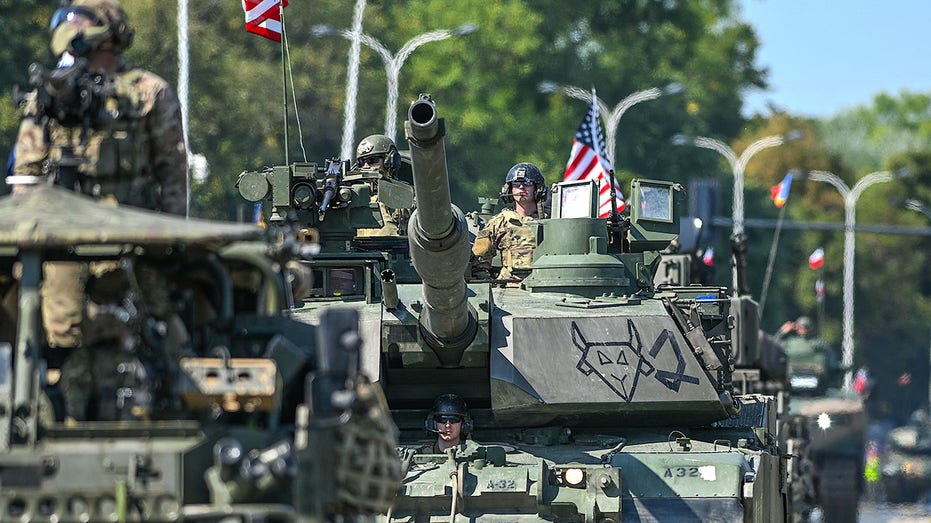
NATO member nations have significantly increased their defense spending, reaching levels not seen since the Cold War era, according to military analysts. The surge in military expenditure follows sustained pressure from the Trump administration for allies to meet their defense spending commitments and the ongoing conflict in Ukraine.
The increased spending comes as questions remain about the actual military capabilities of European NATO members despite the higher financial commitments. Defense experts note that while budget allocations have grown substantially, there are concerns about whether this translates into effective combat readiness and operational capacity.
Meanwhile, Russian President Vladimir Putin has announced debt relief measures for new military recruits and their families as Moscow continues its recruitment efforts for the Ukraine conflict. The policy represents an attempt to incentivize military service as the war continues into its second year.
The developments highlight the broader military and economic pressures facing both sides of the conflict. NATO's increased defense spending reflects the alliance's response to what it views as an evolving security threat, while Russia's recruitment incentives suggest ongoing personnel needs for its military operations.
The timing of these military developments comes as various stakeholders assess the current state of the conflict and debate appropriate levels of international support and involvement.