Epstein Files Prompt New Scrutiny of Past Cases and Data Archiving Efforts
Released Jeffrey Epstein documents have sparked renewed interest in related cases while data scientists create comprehensive archives of the materials.
The release of Jeffrey Epstein-related documents has generated renewed attention to the convicted sex offender's case and associated legal matters, prompting efforts by data scientists and researchers to create comprehensive archives of the materials.
Tommy Carstensen, a Denmark-based data scientist and bioinformatician, now oversees one of the most sophisticated archives of Epstein materials. Carstensen, who had not previously followed the case closely, became involved after the US Department of Justice missed a December 2025 deadline to release unclassified files related to Epstein's prosecution. Working alongside researchers like Tristan Lee, who has developed a searchable database of individuals appearing in the files, these data specialists aim to provide clarity and accessibility to the complex documentation.
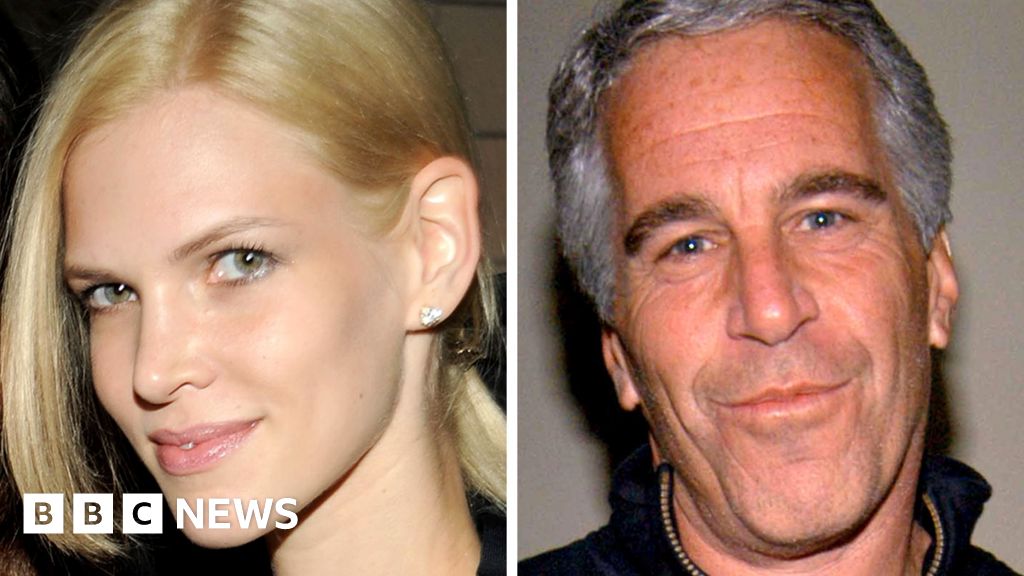
The document releases have also brought renewed scrutiny to various individuals connected to the Epstein case. Among those who may face questions is Nadia Marcinko, a relatively unknown figure who could potentially be called before US legislators despite having a plea deal in place. Legal experts continue to debate her role and whether she should be classified as a victim or enabler in the broader Epstein network.
The archiving efforts represent an attempt to organize and make searchable the extensive materials related to the case. These databases allow researchers and the public to cross-reference names, dates, and connections within the documented evidence, potentially revealing patterns or relationships that might otherwise remain obscured in the volume of released materials.
The continued interest in Epstein-related documents reflects ongoing questions about accountability and justice in cases involving powerful individuals and institutions. As more materials become available through legal processes and freedom of information requests, data archivists expect their work to become increasingly important for researchers, journalists, and legal professionals seeking to understand the full scope of the case.