US-China Relations Face Tensions Over Trade, Technology Controls
Recent developments highlight ongoing economic and technological competition between the United States and China across multiple sectors.
The United States and China continue to navigate complex economic and technological relationships amid ongoing tensions between the world's two largest economies.
Recent diplomatic engagements have drawn mixed assessments from observers, with some viewing high-level meetings as opportunities to demonstrate economic partnerships while others question their effectiveness in addressing fundamental trade disputes.
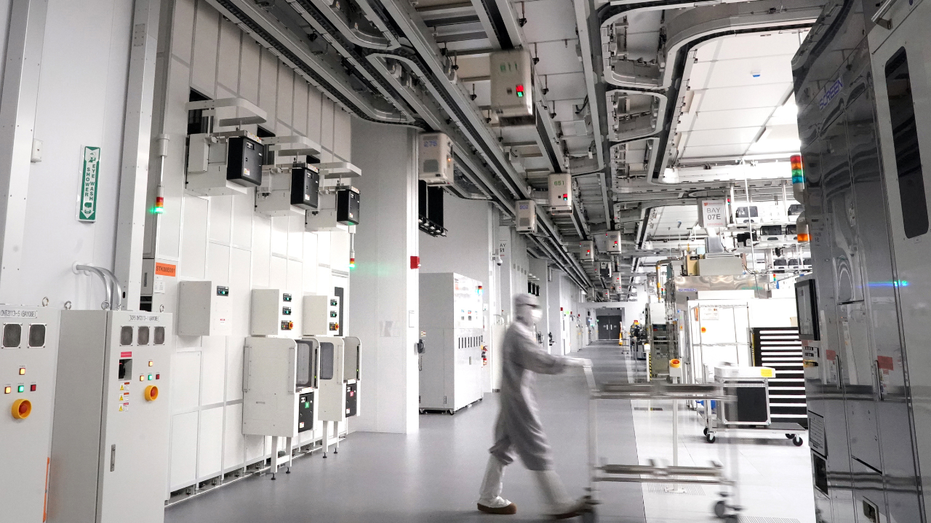
U.S. semiconductor export controls have emerged as a particular point of contention in the bilateral relationship. These restrictions limit American companies' ability to sell certain chip technologies to Chinese markets, a policy that has generated debate about its economic impact on U.S. manufacturers.
The export controls have prompted concerns among some economists about potential negative effects on American chipmakers, who may lose access to significant Chinese market opportunities. Critics argue these restrictions could inadvertently encourage China to accelerate development of its domestic semiconductor manufacturing capabilities.
Meanwhile, corporate leaders from both countries continue to seek ways to maintain business relationships despite the regulatory environment. American executives have participated in various diplomatic and trade discussions as both nations attempt to balance security concerns with economic interests.
The ongoing technological competition reflects broader questions about how the two nations will manage their economic interdependence while pursuing their respective strategic objectives in areas including trade policy and technological innovation.