Supreme Court Voting Rights Ruling Affects Redistricting Across Multiple States
A recent Supreme Court decision on voting rights has prompted redistricting efforts in several Southern states while raising questions about minority representation.
A recent Supreme Court ruling on voting rights has prompted redistricting actions across multiple Southern states, with Louisiana and Alabama moving swiftly to redraw electoral maps amid ongoing primary elections.
The court's decision has brought federal judges into active redistricting disputes across the South, with the timing creating complications as some states were already conducting primary elections. The ruling has particularly affected areas covered under previous Voting Rights Act provisions.
Analysis suggests the decision could impact minority voting power beyond congressional races, with at least 17 state and local governments potentially affected by the new legal framework for evaluating voting rights cases. The ruling changes how courts will assess claims of racial discrimination in redistricting.
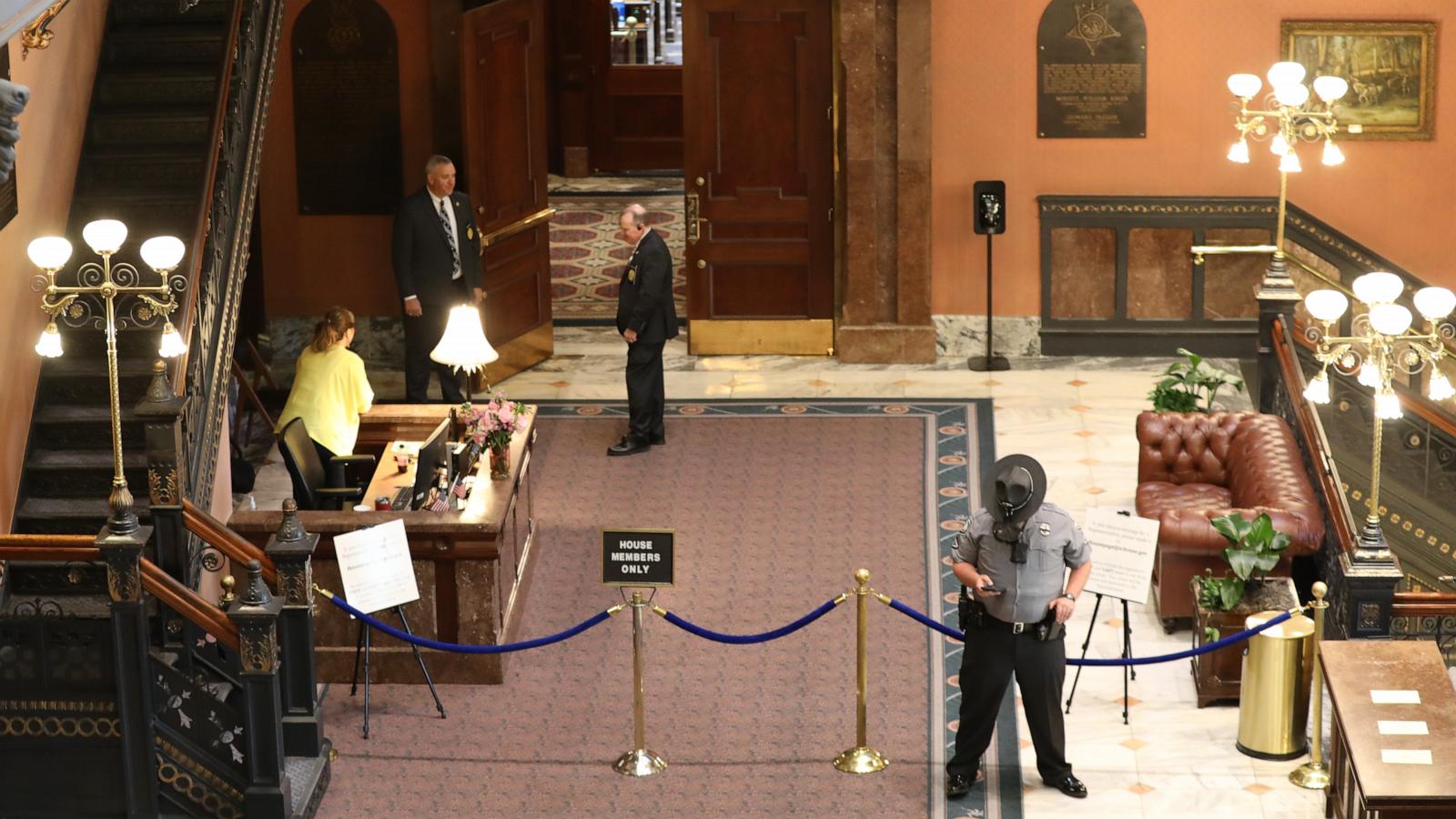
Meanwhile, separate redistricting debates have emerged in South Carolina, where Republicans are seeking to maximize their congressional representation. These discussions reflect broader national tensions over how electoral districts should be drawn.
Research examining the effects of neutral redistricting maps suggests that minority representation might not necessarily decline without Voting Rights Act protections, challenging assumptions about the relationship between the law and minority electoral power.
The convergence of legal changes and active redistricting cycles has created uncertainty for election officials and voters in affected jurisdictions as they navigate new requirements for drawing electoral boundaries.