Florida tightens manta ray capture rules; California man charged in turtle trafficking
Florida wildlife officials amended policies on capturing giant manta rays while a California man faces federal charges for allegedly trafficking wild turtles.
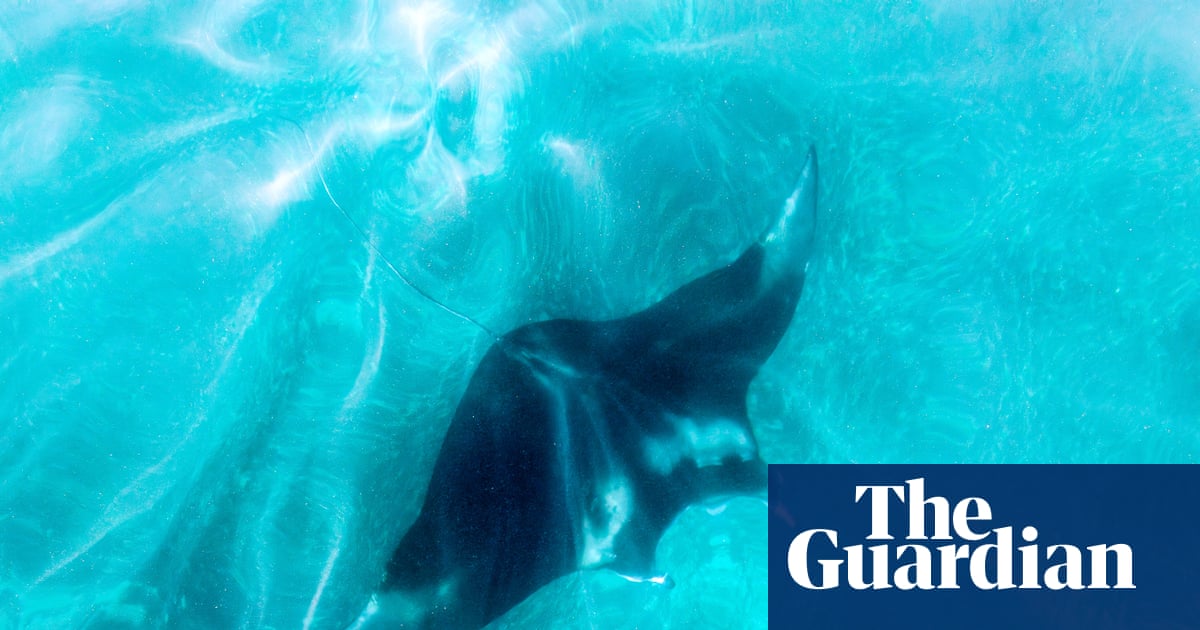
Florida wildlife officials have tightened regulations on capturing threatened giant manta rays while stopping short of implementing a complete ban on the practice. The Florida Fish and Wildlife Conservation Commission voted Wednesday to adopt amended rules that reserve the agency's right to determine when and where rays can be captured for exhibition purposes in the United States.
The policy changes follow public outcry over a viral video from last year that showed a captured giant manta ray in severe distress while being handled on an unmarked boat in Florida waters. The incident prompted bipartisan political support for ending the controversial practice of capturing the threatened marine animals.
Under the new rules, the commission maintains authority over permitting decisions for what officials term "responsible exhibition" of giant manta rays. The amended regulations represent a compromise between conservation advocates seeking a complete ban and exhibition facilities that argue for continued access to the marine animals for educational and research purposes.
Separately, federal authorities announced the arrest of a California man on wildlife trafficking charges related to the illegal export of wild turtles. Donald Do allegedly obtained turtles poached from Florida and other locations between December 2022 and May 2024, then attempted to export 292 loggerhead musk turtles to Taiwan.
According to authorities, Do worked with an unidentified accomplice who obtained a U.S. Fish and Wildlife Service export license by falsely claiming the turtles had been captive-bred. Do allegedly arranged for the wild-caught animals to be shipped to San Francisco as part of the trafficking operation.
The turtle trafficking case highlights ongoing challenges in preventing illegal wildlife trade, particularly when false documentation is used to circumvent federal export regulations designed to protect native species.