Medical groups offer conflicting guidance on when women should begin mammogram screening
Health organizations disagree on optimal age to start mammograms, with recommendations ranging from 40 to 50 years old.
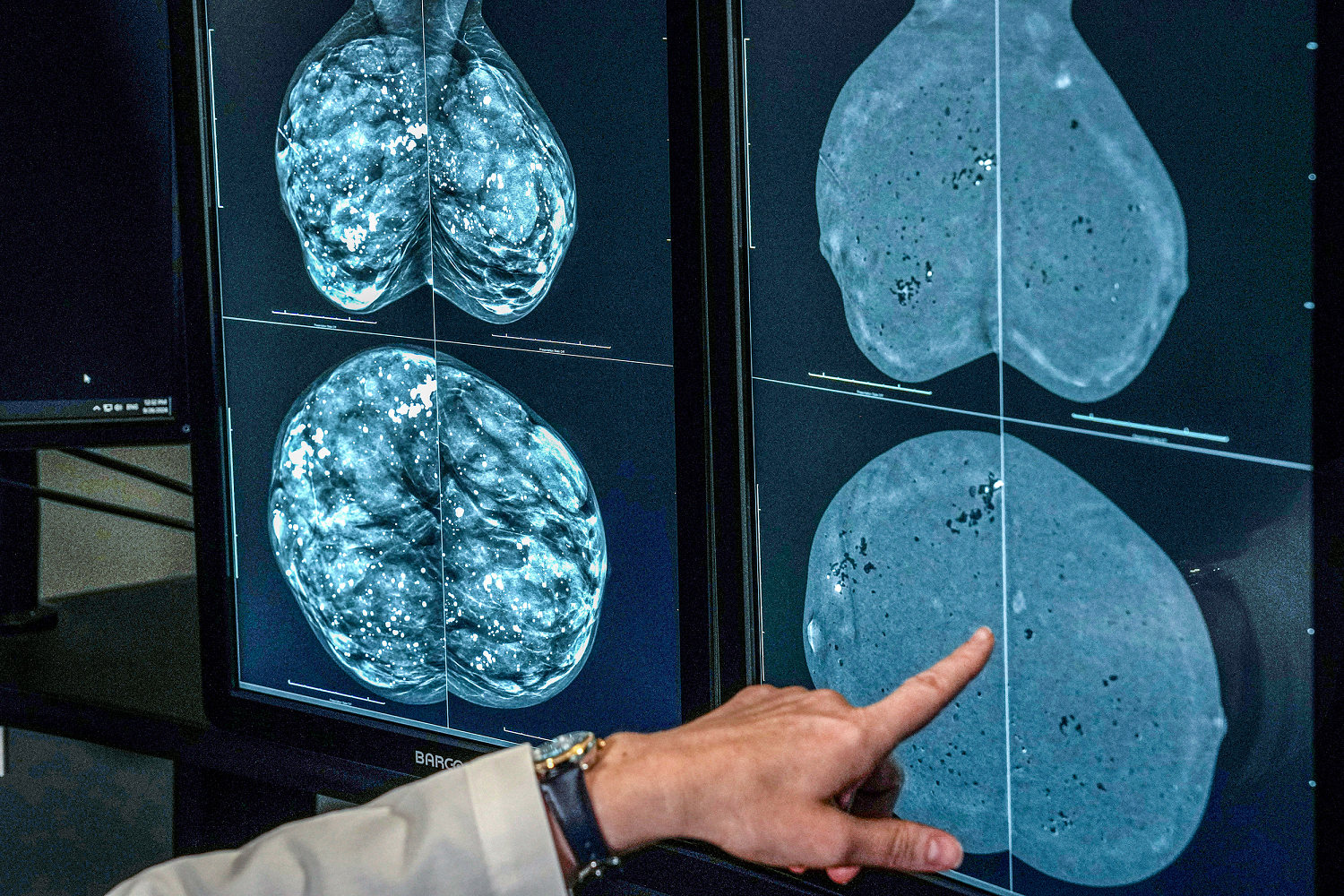
Women seeking guidance on when to begin routine mammogram screening face conflicting recommendations from major medical organizations, reflecting ongoing debate about balancing benefits and risks of breast cancer detection.
The American College of Physicians recently recommended that average-risk women begin mammograms at age 50, getting screened every other year through age 74. For women 40 to 49, the group suggests discussing pros and cons with a doctor before deciding whether to start screening. This guidance differs from other major organizations that recommend earlier screening.
The U.S. Preventive Services Task Force recently changed its recommendation to support starting mammograms at age 40 instead of 50, with screening every other year. The American Cancer Society recommends yearly mammograms for women 45 to 54, though women can choose to start at 40. For those 55 and older, the organization says women can switch to every other year or continue yearly screening.
More than 320,000 women in the United States will be diagnosed with breast cancer this year, according to the American Cancer Society. While death rates have declined for decades due to improved treatments, breast cancer remains the second-most common cause of cancer death among U.S. women, and diagnoses are gradually increasing.
The disagreement among medical groups stems from challenges in determining individual risk levels. Beyond well-known genetic factors like BRCA1 and BRCA2 genes, it remains difficult to assess a woman's true cancer risk. Age has traditionally served as a proxy since breast cancer risk increases with age, but experts note that breast cancer encompasses multiple diseases with varying characteristics.
Researchers are exploring risk-based screening approaches that consider genetic testing, family history, breast density, and other factors to tailor screening schedules. A recent study called the WISDOM trial classified women into different risk categories and assigned corresponding screening frequencies, finding that risk-based screening performed as well as standard yearly mammograms. Future developments may include artificial intelligence tools to assess cancer risk based on mammogram analysis, potentially allowing for more personalized screening recommendations.