Wildlife-Human Conflicts Increase in Multiple Regions
Rising encounters between humans and wildlife, including bears in U.S. national parks and elephants in Sri Lanka, are prompting safety measures and highlighting growing tensions.
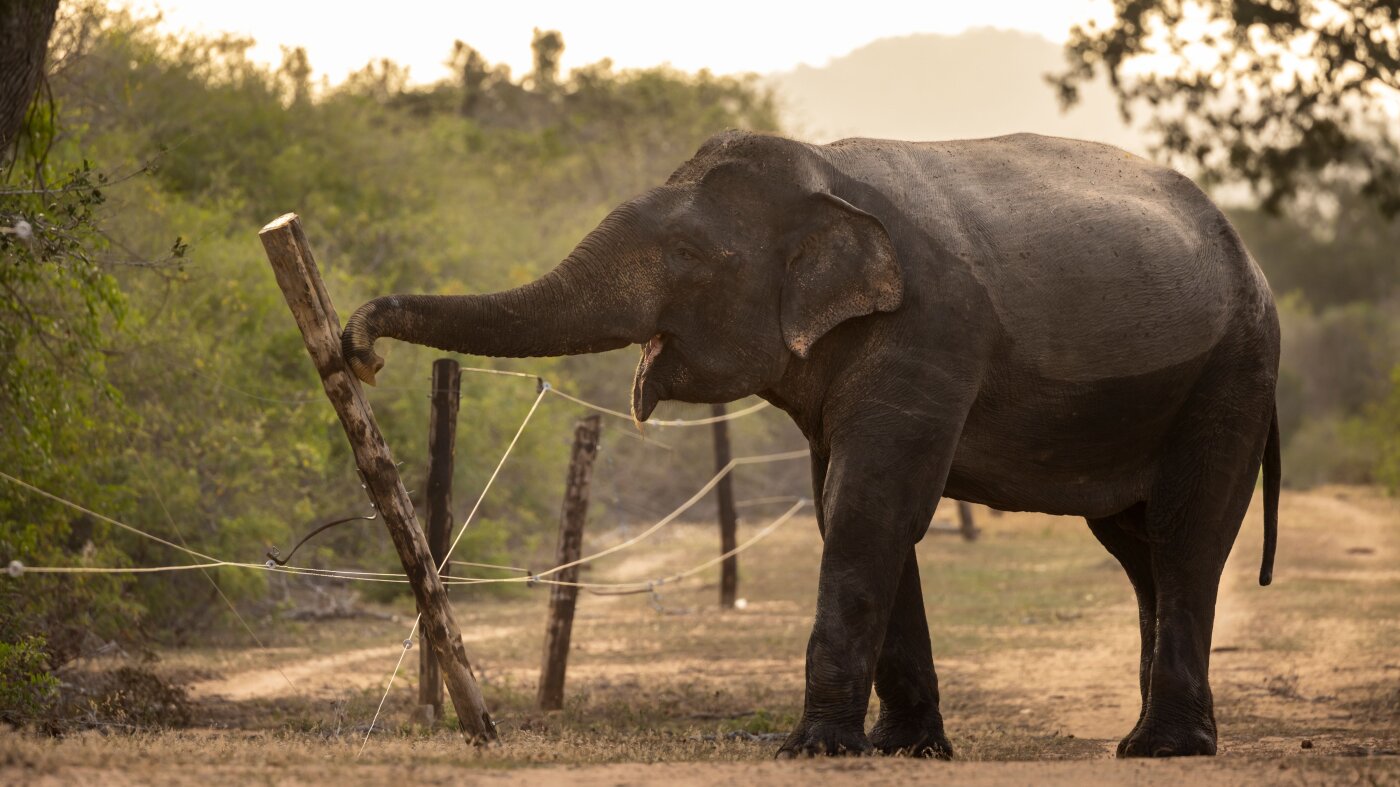
Wildlife-human conflicts are escalating in multiple regions around the world, leading to dangerous encounters and prompting authorities to take protective measures.
In the United States, bear encounters have become so frequent and dangerous that Great Smoky Mountains National Park has been forced to close some of its popular hiking trails. The closures represent a significant disruption to park operations and visitor access in one of the nation's most visited national parks.
Meanwhile, in Sri Lanka, farmers are experiencing increasing conflicts with elephants that raid their crops for food. Despite the cultural reverence for elephants on the island nation, these encounters are creating rising tensions between rural communities and the protected animals.
The confrontations in Sri Lanka have turned deadly for both humans and elephants, creating what experts describe as an escalating cycle of conflict. Hungry elephants seeking food sources increasingly venture into agricultural areas, bringing them into direct contact with farmers trying to protect their livelihoods.
These incidents reflect broader patterns of human-wildlife conflict occurring as development encroaches on natural habitats and climate factors affect animal behavior and food availability. The situations require careful balance between wildlife conservation efforts and human safety concerns.