Brazil begins demarcating Amazon territory for uncontacted indigenous group
Brazilian government starts marking 410,000-hectare territory for nomadic Kawahiva people after 27-year process.
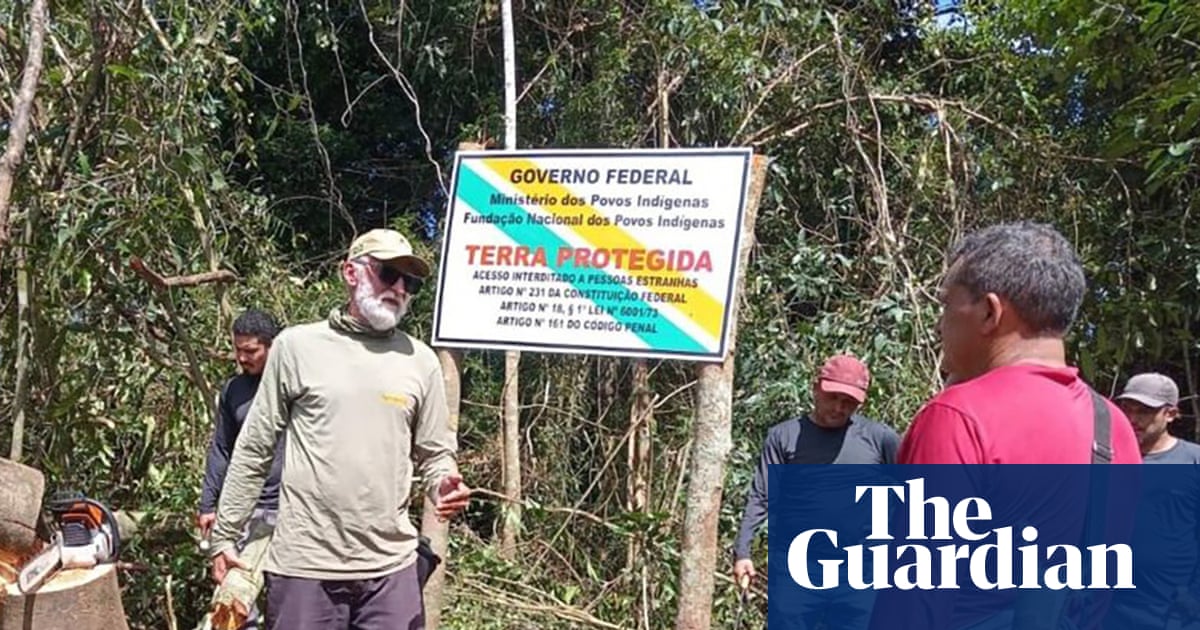
The Brazilian government has begun demarcating territory for the Pardo River Kawahiva, an uncontacted indigenous community in the Amazon rainforest, more than 25 years after their existence was confirmed. The National Indigenous Peoples' Foundation (Funai) announced last week that demarcation of the 410,000-hectare territory had commenced.
The territory is located between the states of Mato Grosso and Amazonas in northwestern Brazil. The Kawahiva are described as a nomadic hunter-gatherer community and are considered among the Amazon's most vulnerable groups.
The demarcation process aims to provide greater protection for the uncontacted people from threats including farming activities, illegal mining, and logging operations in the region. The formal marking of boundaries is intended to establish legal protections for the indigenous territory.
The demarcation effort faces potential obstacles, including legal challenges from groups associated with Brazil's agribusiness sector. The process is also occurring during a period of political uncertainty, with a presidential election scheduled for October that could affect future indigenous policy.
The establishment of this protected territory represents a significant step in Brazil's efforts to safeguard uncontacted indigenous communities, though the implementation of protections remains subject to ongoing legal and political challenges.