Scientists find evidence of 59,000-year-old dental procedure by Neanderthals
Researchers discovered a Paleolithic tooth showing signs that Neanderthals may have drilled out a cavity nearly 60,000 years ago.
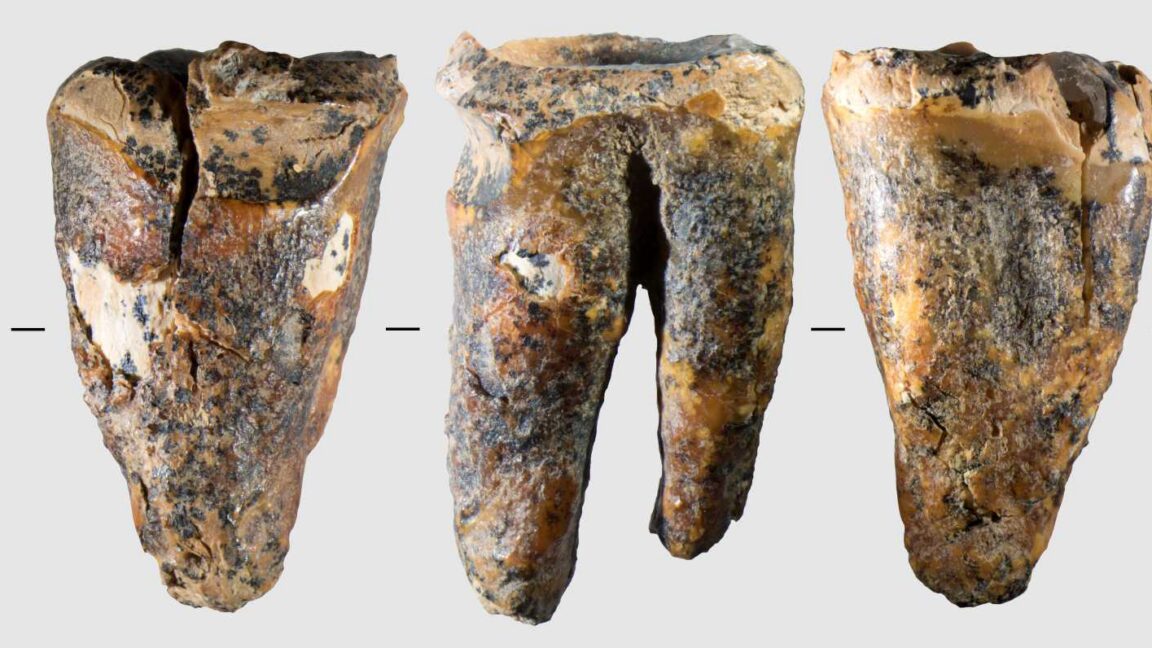
Scientists have discovered what appears to be evidence of an ancient dental procedure performed by Neanderthals approximately 59,000 years ago, according to new research on a Paleolithic tooth.
The tooth, unearthed by researchers, shows signs that suggest these early hominins may have been capable of executing precise dental work to address tooth problems. The findings indicate that Neanderthals may have drilled out a cavity in what would represent one of the earliest known examples of dental intervention.
The discovery adds to growing evidence that Neanderthals possessed more sophisticated capabilities than previously understood. The precision required for such a procedure suggests these early humans had developed techniques for addressing dental pain and decay.
Researchers noted the personal connection they felt to this ancient individual who underwent what may have been a painful dental procedure tens of thousands of years ago. The find provides new insights into the medical and technical knowledge possessed by Neanderthal populations.
The research contributes to ongoing studies of Neanderthal behavior and capabilities, offering a glimpse into how these early humans may have dealt with health issues and developed practical solutions to medical problems.