U.S. Student Test Scores Show Declining Trend That Predates COVID-19 Pandemic
New data reveals American students' reading and academic performance has been declining for years before the pandemic across multiple demographics.
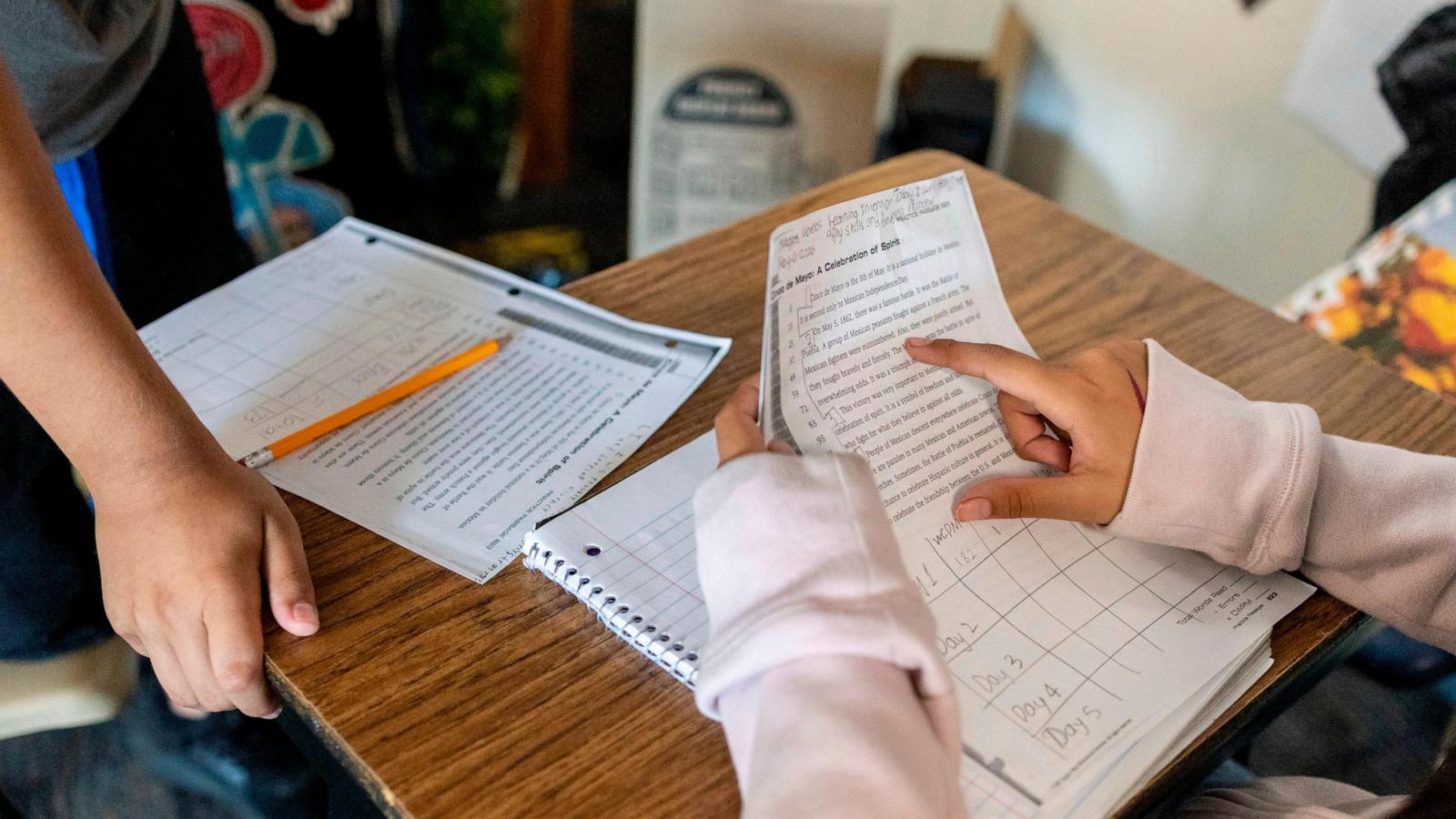
Recent analysis of U.S. student test scores reveals a concerning pattern of academic decline that began well before the COVID-19 pandemic disrupted education nationwide. Researchers are characterizing the trend as a "reading recession" that has affected students across various income levels, geographic regions, and racial groups.
The decline in academic performance represents a reversal from previous gains and suggests underlying challenges in the American education system that extend beyond pandemic-related disruptions. Data shows that many school districts are performing worse today than they were a decade ago, indicating structural issues that predate the health crisis.
While the overall trend shows declining performance, some states and school districts have managed to buck the national pattern and demonstrate improvement. These success stories provide potential models for addressing the broader challenges facing American education.
The findings challenge the common narrative that learning losses primarily resulted from pandemic school closures and remote learning. Instead, they suggest that American students were already experiencing academic struggles that may have been masked by other factors or simply not adequately addressed by education policy.
Education researchers emphasize that addressing these long-term trends will require comprehensive strategies that go beyond simply returning to pre-pandemic practices. The data underscores the need for systemic reforms to improve student outcomes across diverse communities nationwide.