Sports Industry Faces Multiple Revenue and Structure Changes Across Leagues
College sports conferences explore private equity deals while professional leagues negotiate expansion and labor agreements.
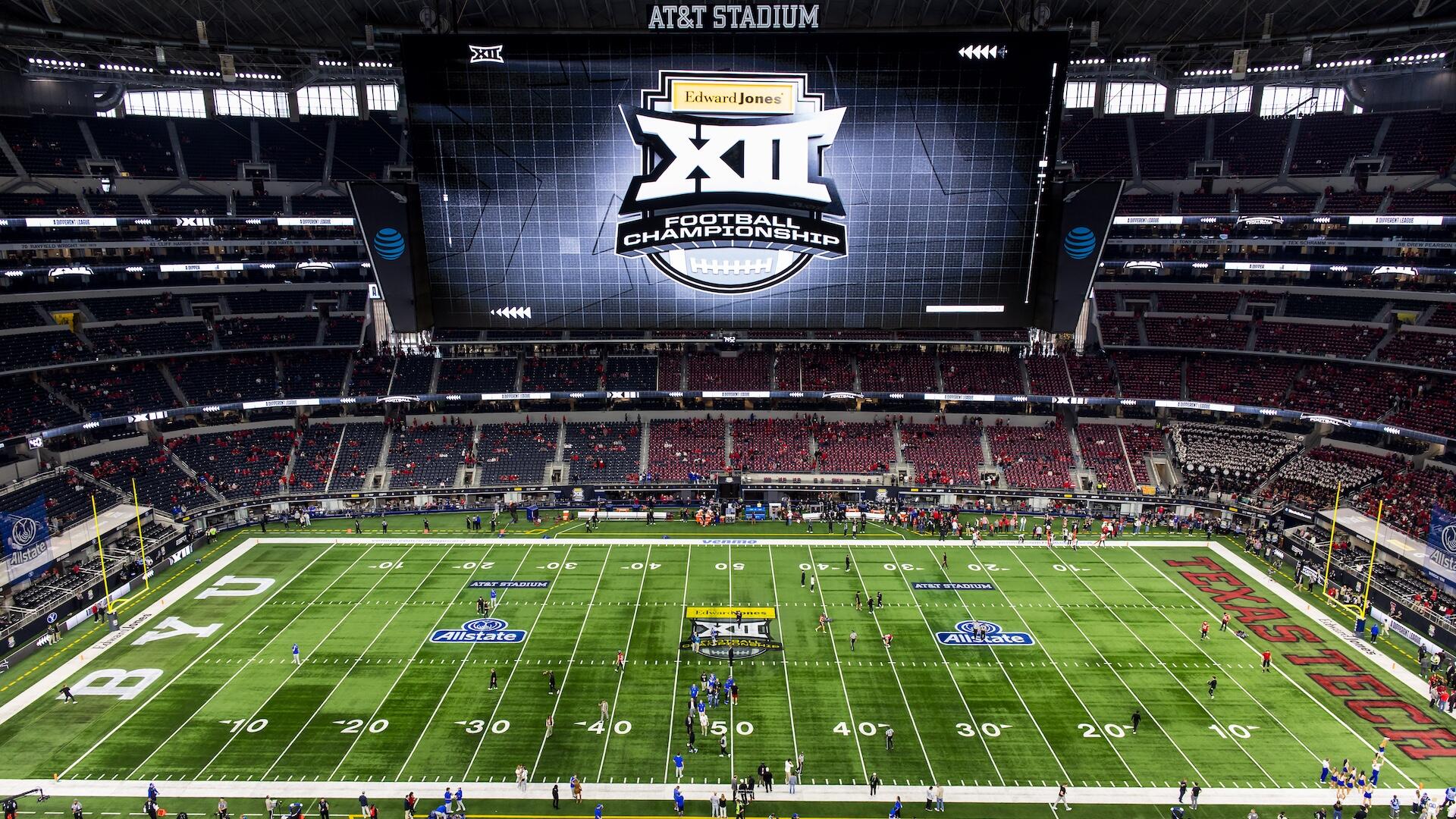
The sports industry is experiencing significant structural changes across multiple levels, from college athletics to professional leagues, as organizations seek new revenue streams and adapt to evolving landscapes.
Big 12 Commissioner Brett Yormark has pursued private capital investments as part of efforts to close revenue gaps and compete in the Name, Image, and Likeness (NIL) era. The conference's exploration of private equity partnerships represents a potential shift in how college sports conferences generate revenue.
Meanwhile, college athletics continues to grapple with NIL implementation challenges. An arbitrator recently upheld the rejection of Nebraska football NIL contracts in a dispute handled by Collective Sports Consulting (CSC). However, the decision faces a pending California court challenge that could affect broader NIL enforcement systems.
In professional baseball, Major League Baseball and the MLB Players Association have begun negotiations ahead of their collective bargaining agreement expiration on December 1 at 11:59 p.m. ET. Discussions are expected to cover salary cap considerations, potential league expansion, and other structural issues.
The NCAA has also announced expansion plans for the Women's Basketball Tournament, which will bring changes to scheduling, financial payouts, and host site arrangements. College basketball coaches have provided input on how these modifications may affect the sport's premier women's championship event.