Researchers recover lost text from 6th century New Testament manuscript using modern technology
Glasgow researchers used advanced imaging to reveal 42 previously invisible pages from an important early Christian manuscript.
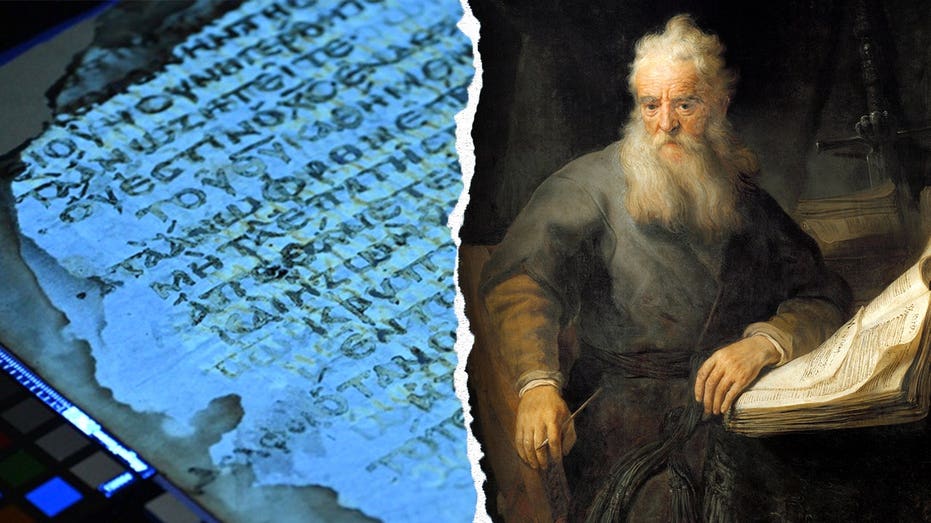
Researchers at the University of Glasgow have successfully recovered 42 lost pages of text from Codex H, a significant sixth-century New Testament manuscript, using advanced imaging technology.
The recovered text, described as 'ghost text,' was invisible to the naked eye but became readable through modern technological methods. Codex H is considered one of the world's most important early New Testament manuscripts due to its age and historical significance.
The manuscript dates back to the sixth century, making it a valuable source for understanding early Christian texts and their transmission through history. The recovered pages add substantial content to what was previously available from this ancient document.
The breakthrough demonstrates how modern imaging techniques can reveal historical texts that have been lost or obscured over time. Such discoveries provide scholars with additional primary source material for studying early Christianity and the development of biblical texts.
The research represents a significant advancement in manuscript recovery and digital humanities, showing how technology can unlock previously inaccessible historical information from ancient documents.