Iran Explores Alternative Trade Routes Amid U.S. Economic Pressure
Iran is utilizing the Caspian Sea for trade while officials assess the country's ability to withstand potential U.S. blockade pressures.
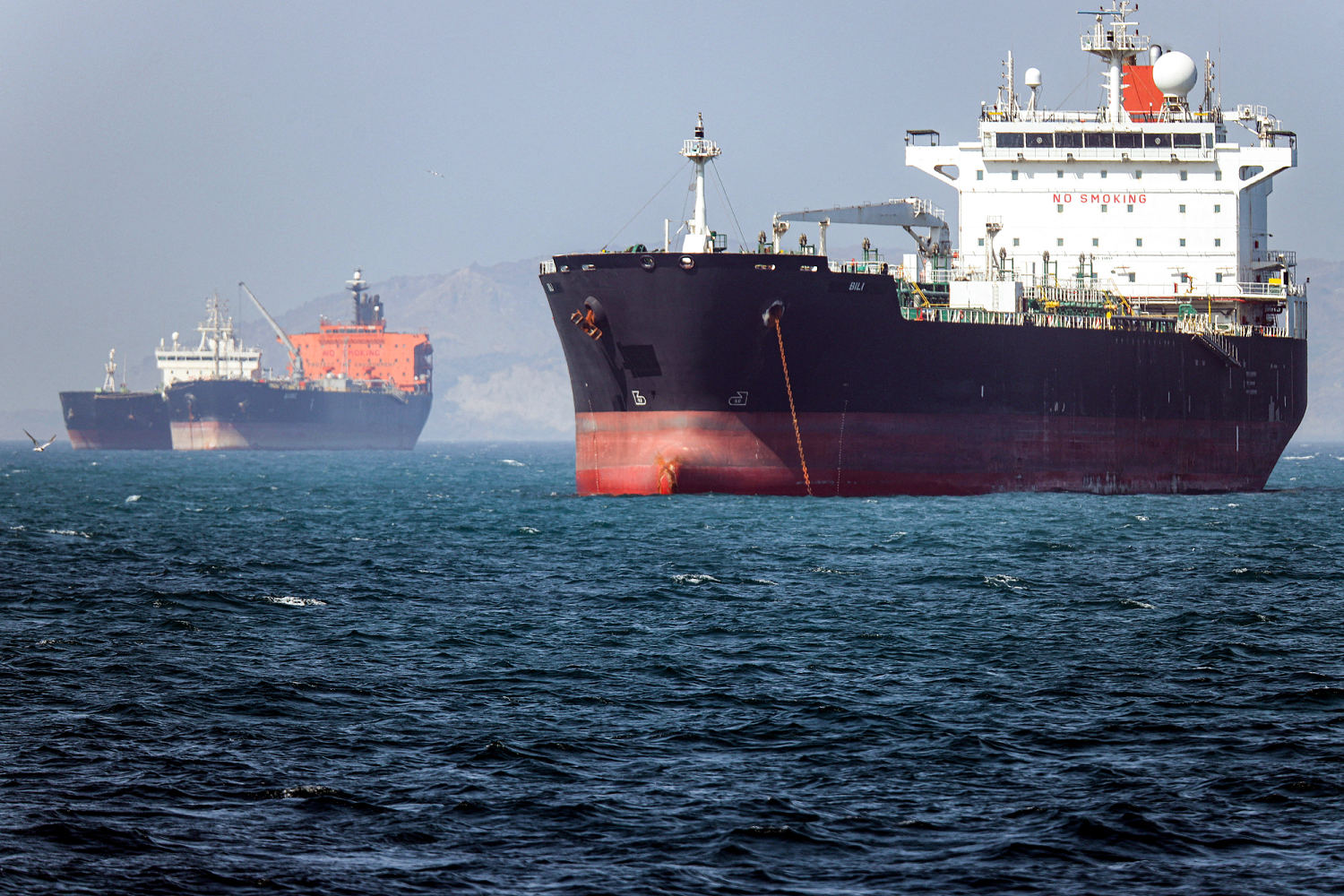
Iran is increasingly relying on alternative trade routes, including the Caspian Sea, as the country faces ongoing U.S. economic pressure, according to recent reports and intelligence assessments.
Western officials and energy industry analysts indicate that while a potential U.S. naval blockade of Iranian ports would eventually impact Tehran's crucial oil revenue, the Iranian government could likely maintain operations for several months without experiencing a major economic crisis or sustaining lasting damage to its oil infrastructure.
The Caspian Sea has emerged as a strategically important trade corridor for Iran, according to intelligence assessments. Russia has been shipping both military and commercial goods through this route, which helps bolster Tehran's economic resilience amid U.S. sanctions and pressure.
The landlocked body of water, previously overlooked in discussions of regional trade, has taken on new significance as Iran seeks to diversify its commercial and supply channels. This development reflects Iran's broader strategy to maintain economic stability while navigating international sanctions.
Energy analysts note that Iran's ability to sustain economic pressure depends on multiple factors, including its access to alternative trade routes and the support of regional partners. The assessment suggests that any immediate economic impact from increased U.S. pressure would likely be limited in the short term.