Global Financial Markets See Mixed Developments Across Currencies and Corporate Debt
Multiple financial market developments occurred including currency volatility, corporate bond activity, and commodity trade disruptions.
Financial markets experienced several notable developments across different sectors and regions, reflecting ongoing global economic uncertainties and policy responses.
Indonesia implemented tighter foreign exchange purchase regulations after the rupiah reached a new record low against the US dollar. The currency weakness prompted regulatory intervention as authorities sought to stabilize exchange rates amid broader emerging market pressures.
In currency markets, the US dollar declined to its lowest level since a major conflict began, according to reports suggesting potential resolution of the situation. The dollar's weakness reflected changing investor sentiment and expectations about geopolitical developments.
Corporate debt markets showed increased activity in Europe, with companies accelerating bond issuance at a record pace. The rush to access credit markets indicated either favorable borrowing conditions or companies seeking to secure financing ahead of potential market changes.
Commodity markets faced disruptions as a standstill in Indian gold imports continued, threatening global supply chains for the precious metal. India represents a major consumer market for gold, and the import halt has implications for international gold trade flows.
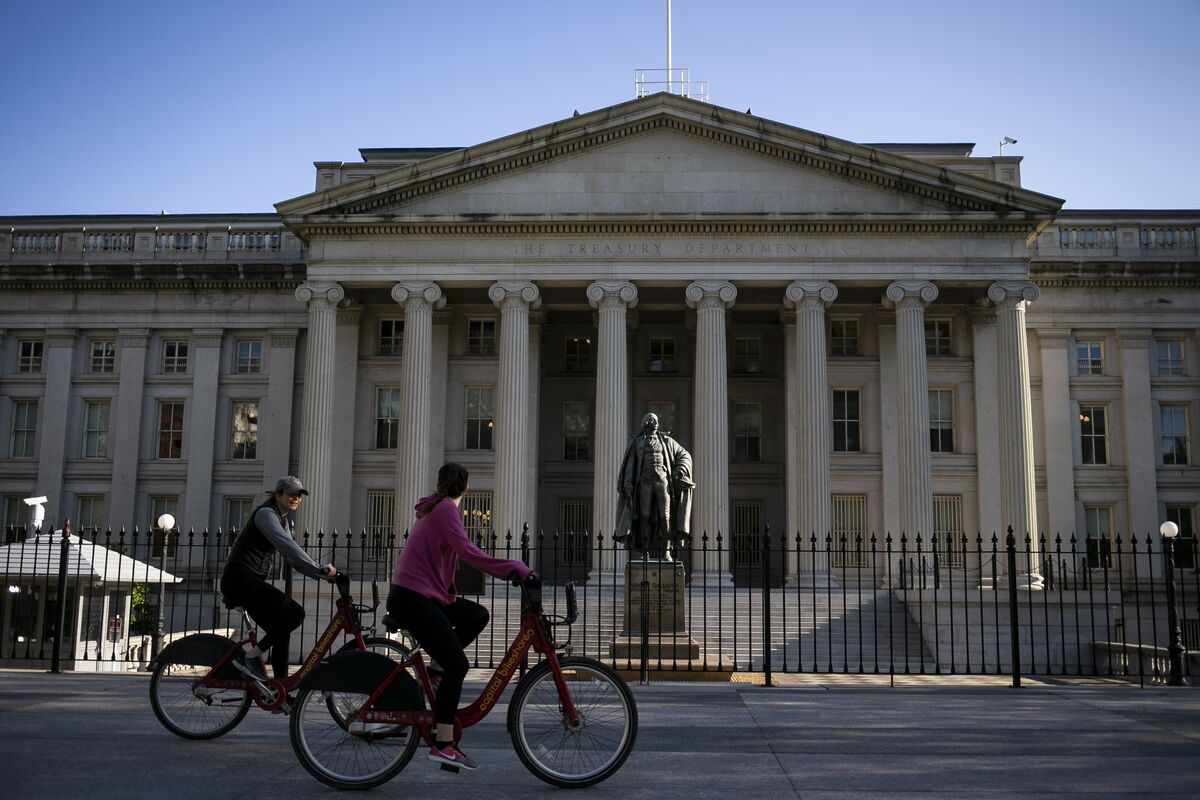
Meanwhile, the US Treasury signaled no changes to its debt auction procedures through 2027, providing clarity on government borrowing operations amid ongoing fiscal policy discussions. The announcement suggests stability in federal debt management practices despite broader economic uncertainties.