Romanian Government Falls in No-Confidence Vote
Romania's government collapsed after Prime Minister Ilie Bolojan lost a parliamentary no-confidence vote when coalition partners joined the opposition.
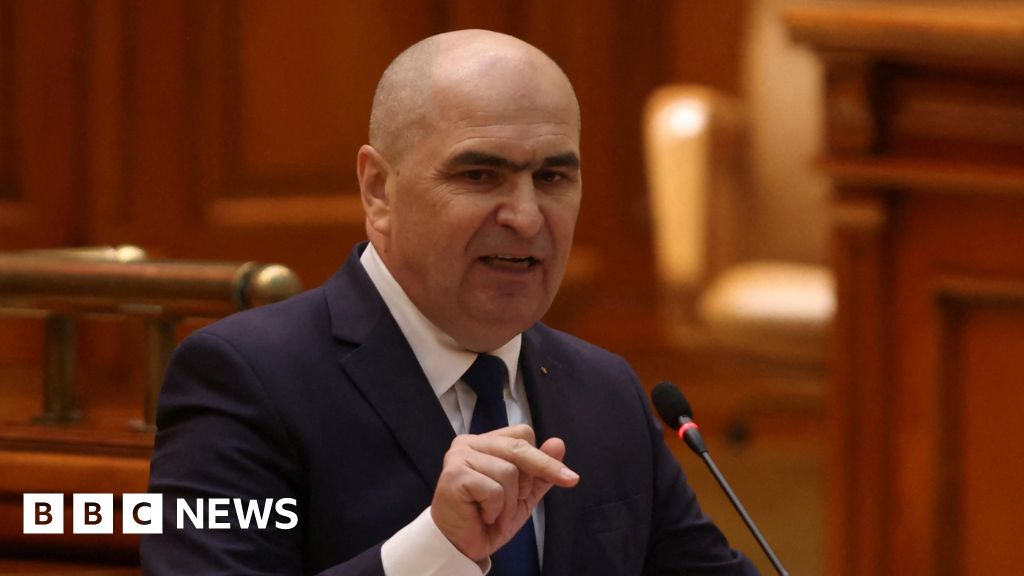
Romania's government collapsed following a successful no-confidence vote that ousted Prime Minister Ilie Bolojan from power. The vote succeeded after the largest party in Bolojan's governing coalition joined with far-right opposition parties to remove him from office.
The parliamentary defeat represents a significant political upheaval for Romania, leaving the country without a functioning government. The collapse raises immediate questions about the stability of Romania's political system and the future direction of key policy initiatives.
The successful no-confidence motion highlights the fragile nature of Romania's coalition politics, where shifting alliances between parties can rapidly alter the balance of power. The involvement of far-right opposition groups in the vote underscores the complex political dynamics at play in the Romanian parliament.
The government's fall creates uncertainty over the continuation of fiscal reforms and other policy measures that were being pursued by the previous administration. Romania now faces the challenge of forming a new government or potentially calling fresh elections to resolve the political crisis.
The timing of the collapse adds to concerns about political stability in Romania at a time when the country, like other European Union members, faces various economic and security challenges. The process of forming a replacement government or organizing new elections will likely take weeks or months to complete.