Egyptian Archaeologists Discover Large Statue Believed to Depict Ramses II
Archaeological team in Egypt uncovers massive statue thought to represent King Ramses II, pharaoh historically associated with biblical Exodus narrative.
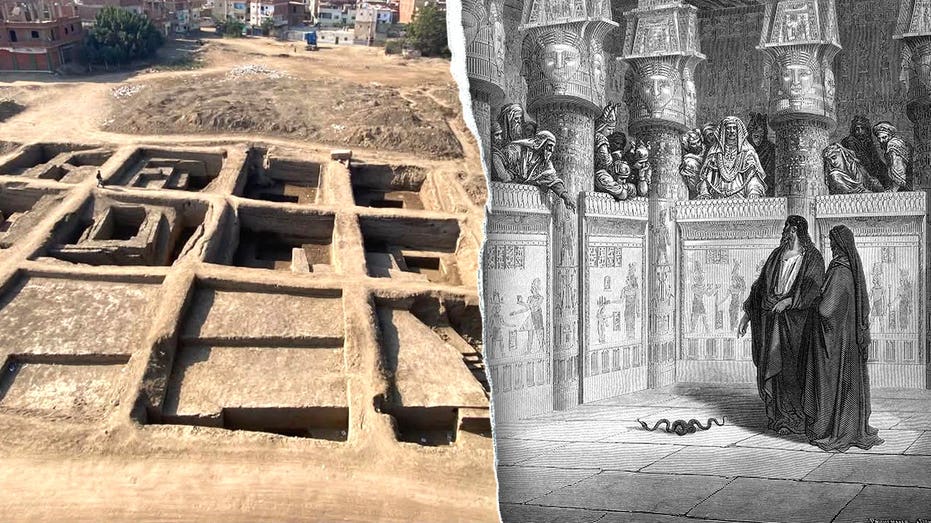
Egyptian archaeologists have recently discovered a large statue believed to depict King Ramses II, one of ancient Egypt's most prominent pharaohs who ruled during the 13th century BCE.
The massive artifact was uncovered during ongoing archaeological excavations in Egypt, though specific details about the location and excavation team have not been disclosed. The statue is thought to represent Ramses II, who reigned from approximately 1279 to 1213 BCE during Egypt's Nineteenth Dynasty.
Ramses II, also known as Ramses the Great, is historically significant for his military campaigns, extensive building projects, and long reign of 66 years. He is also frequently identified by biblical scholars and historians as a possible pharaoh mentioned in the Old Testament Book of Exodus, though this connection remains a subject of scholarly debate.
The discovery adds to the substantial archaeological record of Ramses II's reign, which includes numerous statues, temples, and monuments throughout Egypt. The pharaoh commissioned extensive construction projects during his rule, including the famous Abu Simbel temples in southern Egypt.
Further analysis and study of the newly discovered statue will likely provide additional insights into the artistic and cultural practices of ancient Egypt during Ramses II's reign.