Transatlantic Relations Face Multiple Strains as Ukraine Seeks EU Membership
Tensions between the US and Europe intensify over various issues while Ukraine pursues EU membership and military reforms amid ongoing conflict.
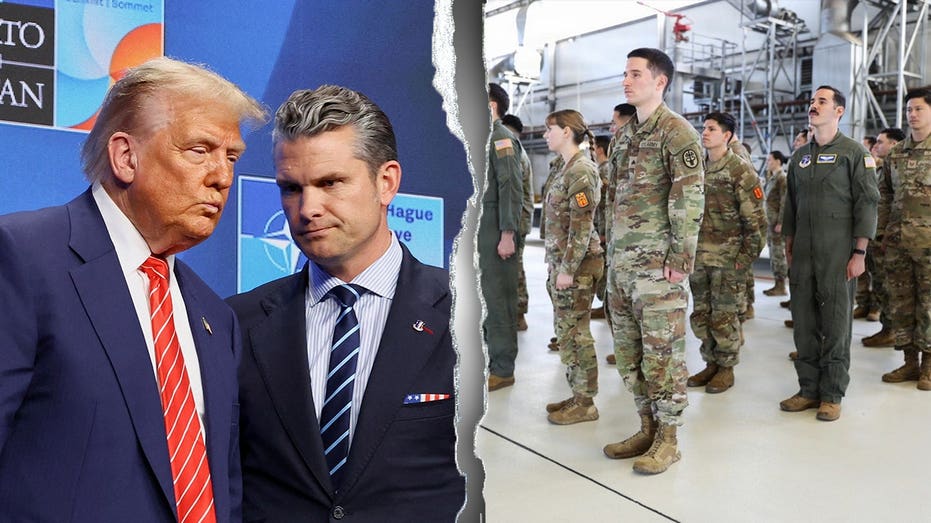
Transatlantic relations are experiencing significant strain as disagreements emerge across multiple fronts, with Ukraine's European integration efforts adding another layer of complexity to already tense US-Europe dynamics.
Ukrainian President Volodymyr Zelenskyy's continued push for European Union membership has reportedly created friction with some allied nations, according to diplomatic sources. The membership bid comes as Ukraine simultaneously implements comprehensive military reforms, with Zelenskyy announcing the rollout of army restructuring measures aimed at strengthening the country's defense capabilities during the ongoing conflict with Russia.
Meanwhile, relations between the United States and European leaders have deteriorated further, with reports of increased criticism and attacks from the Trump administration directed at European officials. These verbal confrontations have contributed to what analysts describe as a growing chill in transatlantic cooperation that has persisted across various policy areas.
The Atlantic alliance, long considered a cornerstone of Western security architecture, is showing signs of strain as American and European positions diverge on key issues. Diplomatic observers note that the failure to align on major policy questions has created uncertainty about the future of NATO and broader Western cooperation.
The current tensions represent a significant challenge for international coordination at a time when global security concerns, including the war in Ukraine and other geopolitical flashpoints, require sustained multilateral cooperation. The ongoing disputes threaten to complicate efforts to maintain unified responses to international crises and may impact long-term strategic partnerships between traditional allies.