UK Parliament Ends 700-Year Tradition of Hereditary Peers in House of Lords
Legislation passed to remove hereditary peers' right to sit in the House of Lords, ending centuries-old tradition.
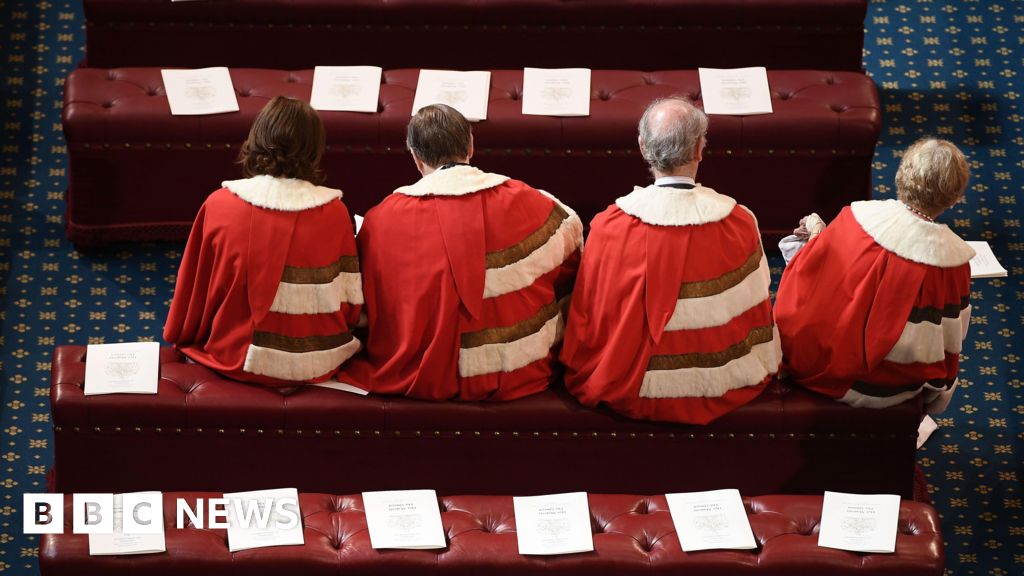
The United Kingdom has formally abolished the centuries-old system allowing hereditary peers to sit in the House of Lords, marking the end of a tradition dating back over 700 years.
Legislation removing hereditary peers' automatic right to participate in the upper chamber of Parliament passed last month, according to parliamentary records. The change represents one of the most significant constitutional reforms to the House of Lords in recent decades.
Hereditary peers had maintained their positions in the House of Lords based on titles passed down through family lines, rather than through appointment or election. This system had its origins in medieval England, where nobles were summoned to advise the monarch.
The reform affects dozens of hereditary peers who had retained seats in the House of Lords following previous partial reforms. The 1999 House of Lords Act had already reduced their numbers significantly, but a group of hereditary peers continued to serve.
The change aligns with broader efforts to modernize the UK's parliamentary system and reduce the influence of inherited privilege in government. The House of Lords will now consist entirely of life peers appointed for their expertise and appointed bishops.