Supreme Court Strikes Down Louisiana Congressional Map in 6-3 Voting Rights Decision
The Supreme Court ruled 6-3 that Louisiana must redraw its congressional map, limiting the scope of the Voting Rights Act in a landmark case.
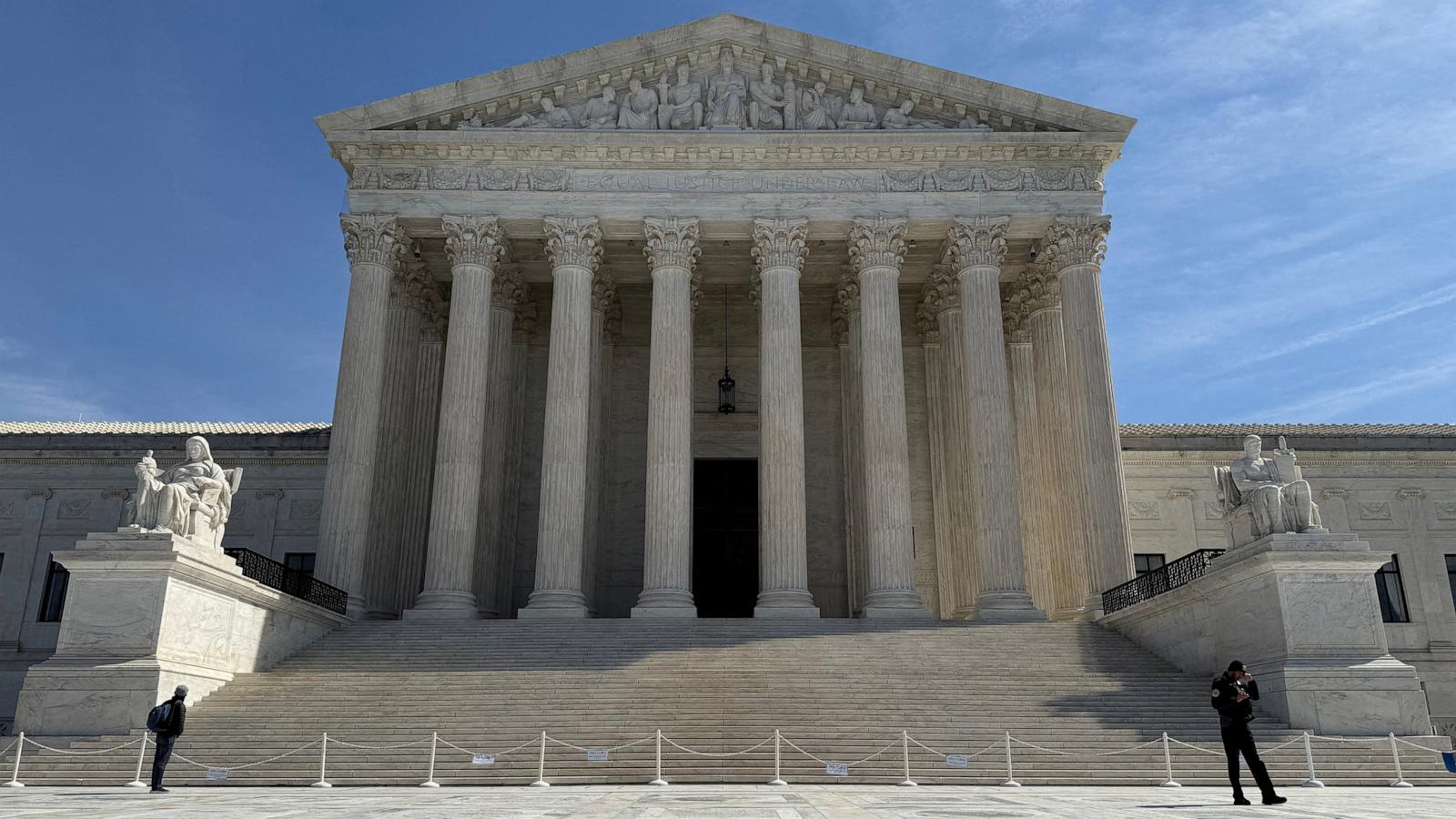
The Supreme Court ruled Wednesday that Louisiana must redraw its congressional map in a 6-3 decision that significantly narrows the scope of the Voting Rights Act. The case, Louisiana v. Callais, centered on how much lawmakers can consider race when redrawing electoral districts to ensure adequate representation for Black voters.
The Court initially heard oral arguments in March but took the unusual step of ordering re-argument last fall. During the second hearing, justices raised the stakes by asking lawyers to address whether Section 2 of the Voting Rights Act was constitutional, though the Court ultimately kept that provision intact.
The decision strikes down Louisiana's congressional map as what the Court termed an "unconstitutional racial gerrymander." While Section 2 of the Voting Rights Act remains in place, legal experts say the ruling effectively undermines much of the landmark civil rights legislation that has protected minority voting power during redistricting processes.
The case comes amid broader redistricting battles between Republicans and Democrats at the state level. Republicans currently hold a narrow 217-212 majority in the House of Representatives and are seeking to lock in additional favorable districts through mid-decade redistricting efforts, which normally only occur after the decennial census.
The ruling has implications beyond Louisiana, as it establishes new precedent for how courts will evaluate redistricting cases involving racial considerations. The decision reflects the Court's evolving approach to voting rights cases and could influence redistricting disputes in other states as political parties prepare for the 2026 elections.