Wildlife Thrives in Chernobyl Exclusion Zone Four Decades After Nuclear Disaster
Nearly 40 years after the Chernobyl nuclear accident, wildlife populations have rebounded in the contaminated exclusion zone despite ongoing radiation hazards.
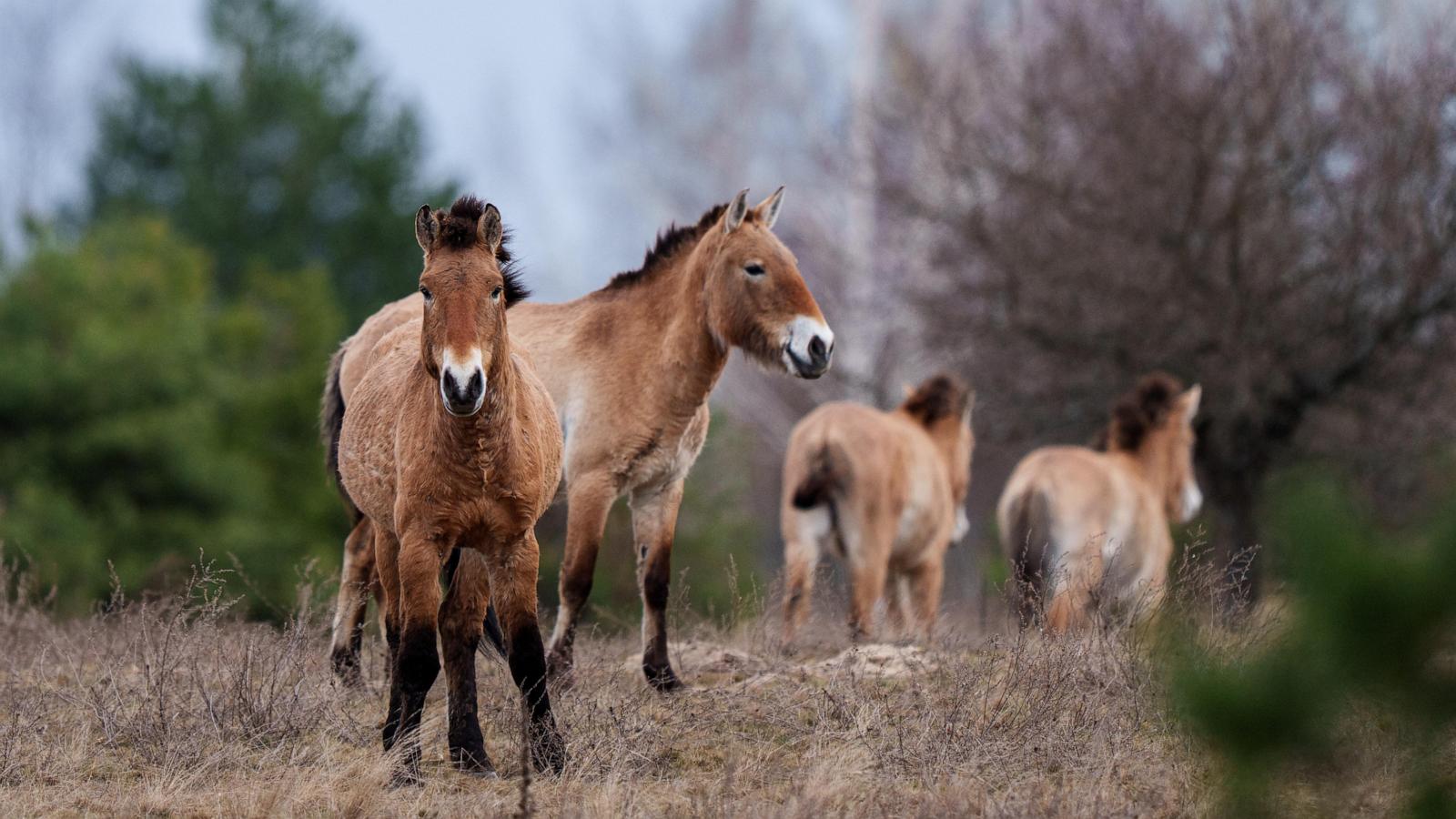
Four decades after the nuclear disaster at Ukraine's Chernobyl power plant, wildlife populations are flourishing in the exclusion zone created following mass evacuations of the human population.
The 1986 nuclear accident at the Chernobyl Nuclear Power Plant resulted in the forced relocation of hundreds of thousands of residents from the surrounding area. The contaminated zone, deemed too dangerous for sustained human habitation, has since become an unexpected wildlife sanctuary.
Among the species now inhabiting the radioactive landscape are wild horses that roam freely across the contaminated terrain. The absence of human activity has allowed various animal populations to recover and expand throughout the exclusion zone.
The wildlife recovery demonstrates nature's capacity for resilience in environments abandoned by humans, even in areas with significant environmental contamination. Scientists continue to study the long-term effects of radiation exposure on the animal populations in the region.
The Chernobyl exclusion zone remains largely off-limits to permanent human settlement due to ongoing radiation risks, but the area has become a unique case study in ecological recovery following industrial disaster.