Research Links Loneliness to Memory Performance in Older Adults
New study finds loneliness affects baseline memory performance in older adults but may not accelerate cognitive decline over time.
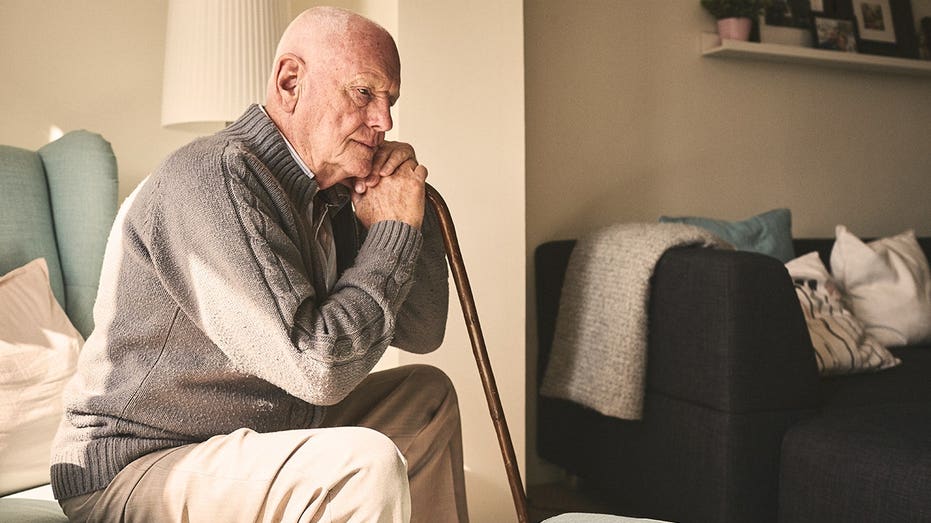
A recent research study has found a connection between loneliness and memory performance in older adults, though the relationship may be more complex than initially thought.
The research indicates that loneliness appears to affect older adults' baseline memory performance, suggesting that feelings of social isolation may impact cognitive function. However, the study's findings also suggest that loneliness may not directly accelerate the rate of cognitive decline over extended periods.
The distinction between baseline performance and decline rate represents an important nuance in understanding how social factors influence cognitive health in aging populations. While loneliness may create immediate effects on memory function, it may not necessarily worsen the natural progression of age-related cognitive changes.
The findings contribute to a growing body of research examining the relationship between social connections and brain health in older adults. Previous studies have established links between social isolation and various health outcomes, but this research provides more specific insights into how loneliness affects different aspects of memory and cognition.
The research adds to ongoing efforts by scientists and healthcare professionals to better understand the complex factors that influence cognitive health as people age, particularly the role of social and emotional well-being in maintaining mental sharpness.