Michigan Senate Race Highlights Democratic Divisions Over Israel Policy
A three-way Democratic primary race in Michigan has exposed tensions within the party over Israel policy and progressive politics.
A heated Democratic primary race for a U.S. Senate seat in Michigan has highlighted growing divisions within the party over Israel policy and progressive politics, with implications for the party's approach heading into future election cycles.
The three-way race features state Senator Mallory McMorrow, who has garnered support from much of the Democratic establishment, progressive candidate Abdul El-Sayed, and U.S. Representative Haley Stevens, who has backing from the American Israel Public Affairs Committee (AIPAC).
Controversy erupted when El-Sayed announced plans to hold a rally with political influencer Hasan Piker. The announcement prompted criticism from McMorrow, the Anti-Defamation League, and other pro-Israel figures, who characterized Piker as antisemitic and questioned El-Sayed's association with him.
The dispute reflects broader tensions within the Democratic Party over Israel policy, particularly in Michigan, where Arab American leaders have expressed concerns about the party's stance on Middle East issues. These concerns were cited as factors that affected Vice President Kamala Harris's performance in the state during the recent presidential campaign.
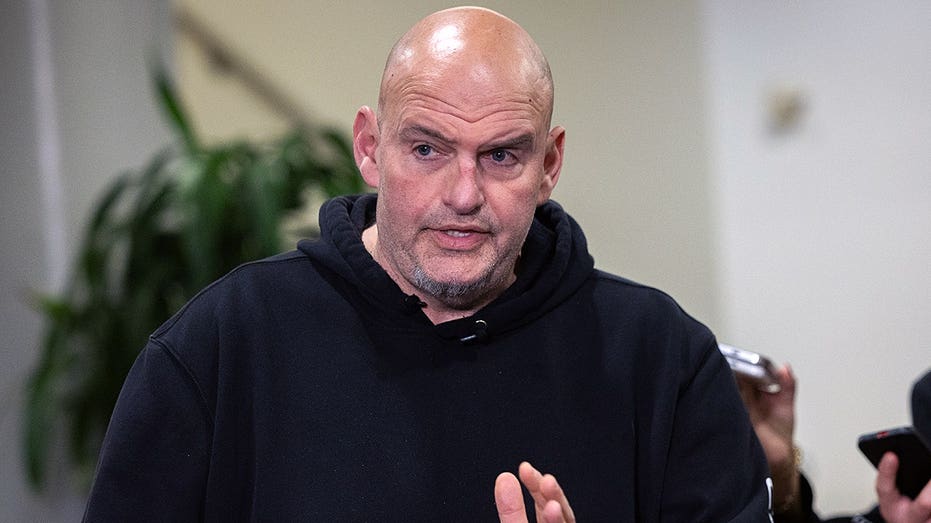
Meanwhile, Senator John Fetterman of Pennsylvania has described what he calls a "widening break" with his own Democratic Party, stating that "moral clarity" rather than party politics guides his positions on issues including Israel and government funding.
The Michigan race is being closely watched as an indicator of how Middle East policy debates may influence Democratic politics in the lead-up to the 2026 midterm elections and the 2028 presidential race.