Supreme Court Rules Against Colorado 'Conversion Therapy' Ban in 8-1 Decision
The US Supreme Court struck down a Colorado law banning conversion therapy for minors, with Justice Jackson issuing the sole dissent.
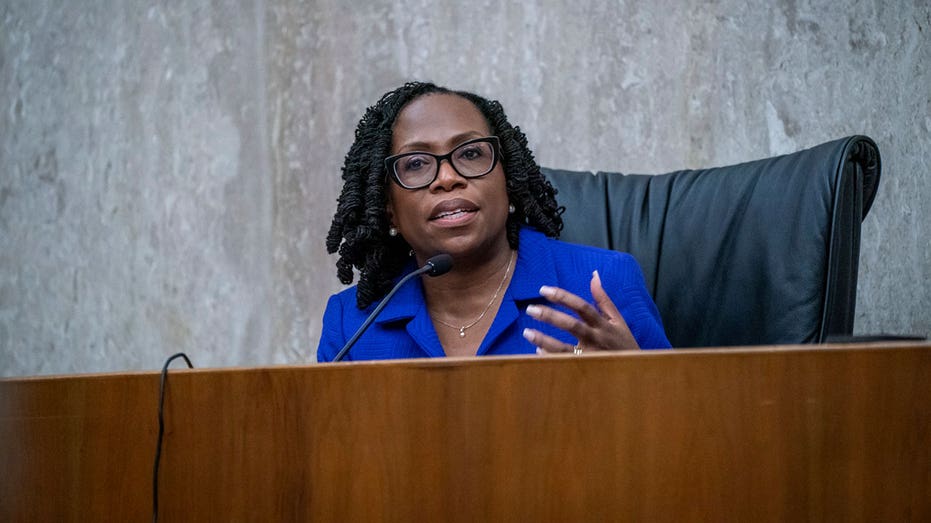
The U.S. Supreme Court ruled 8-1 against a Colorado law that prohibited licensed mental health professionals from providing conversion therapy to minors, in a decision that could have significant implications for similar laws in other states.
Colorado's 2019 law banned licensed clinicians from attempting to change the sexual orientation or gender identity of patients under 18 years old. The statute was among 23 similar state laws restricting such practices.
The case, Chiles v. Salazar, saw an unusually broad coalition, with several liberal justices joining their conservative colleagues in striking down the Colorado restriction. Justice Ketanji Brown Jackson was the lone dissenter, warning that free speech protections for counselors could result in harm to Americans.
The ruling raises questions about the future of conversion therapy bans across the United States, as nearly half of all states have enacted similar restrictions on the practice. Legal experts suggest the decision could prompt challenges to other state laws regulating mental health practices for LGBTQ+ youth.
The Court's decision appears to center on First Amendment free speech considerations regarding professional counseling practices, though the full reasoning behind the 8-1 split has not been detailed in available reporting.
Advocates on both sides of the issue are likely to closely monitor how this ruling affects ongoing legal challenges to conversion therapy bans in other jurisdictions.