Hungarian PM Orbán faces electoral challenge amid international tensions
Viktor Orbán confronts opposition challenger Péter Magyar in upcoming Hungarian election while navigating complex relationships with Russia and US allies.
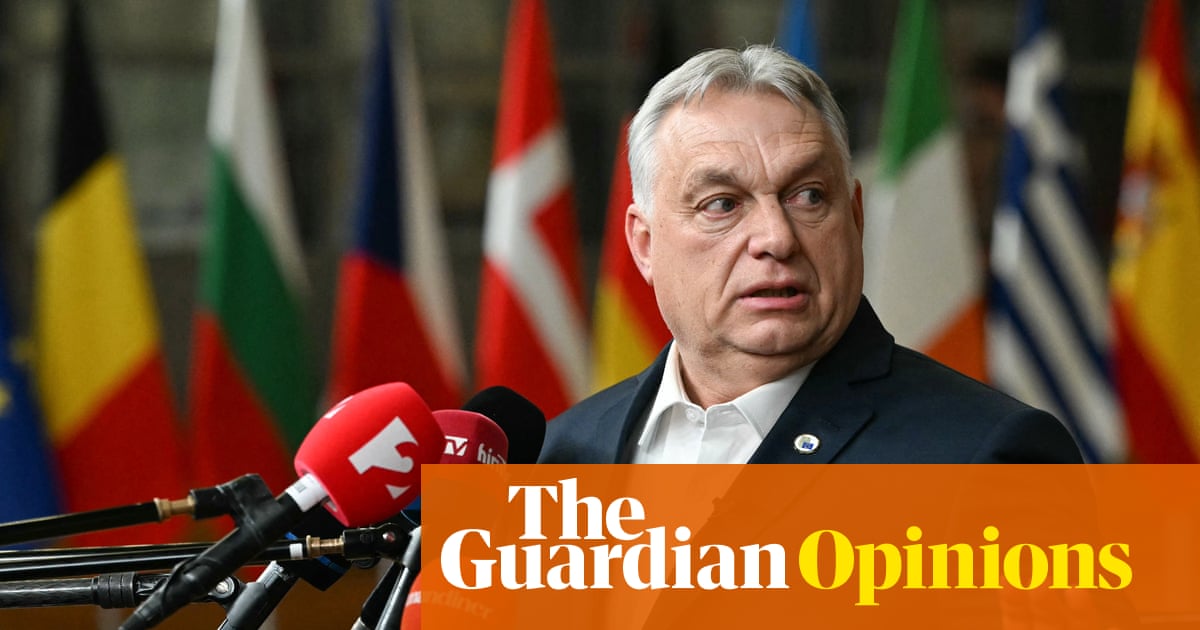
Hungarian Prime Minister Viktor Orbán faces a significant electoral challenge as the country prepares for voting on April 12, with opposition figure Péter Magyar emerging as a prominent rival.
The election comes amid heightened international scrutiny of Hungary's foreign policy positions, particularly regarding the ongoing conflict in Ukraine. On March 3, Orbán held a phone conversation with Russian President Vladimir Putin, which Hungarian officials described as focusing on "energy issues" and other routine matters.
Following that conversation, Hungarian Foreign Minister Péter Szijjártó traveled to Moscow and returned with two freed prisoners of war who held dual Ukrainian and Hungarian citizenship. While Hungary is not directly involved in the military conflict in Ukraine, the prisoner exchange has been interpreted as a diplomatic gesture from Moscow.
The timing of these diplomatic developments has drawn attention from international observers, including conservative political figures in the United States who are closely monitoring the Hungarian electoral process. Orbán's Fidesz party has maintained power since 2010, but faces growing domestic opposition.
Magyar has positioned himself as a key challenger to Orbán's leadership, though details about his specific policy platform and background remain limited in available reporting. The opposition figure has gained prominence as what some describe as Orbán's primary political adversary.
The election takes place as Hungary continues to balance its relationships with both Russia and Western allies, a diplomatic positioning that has created tensions within the European Union and NATO. The outcome could have implications for Hungary's future foreign policy direction and its relationships with both Moscow and Western capitals.