Youth Opposition to Orbán Grows as Hungary Approaches April Elections
Hungarian youth increasingly support opposition candidate Péter Magyar over Prime Minister Viktor Orbán ahead of April 12 elections, polling shows generational divide.
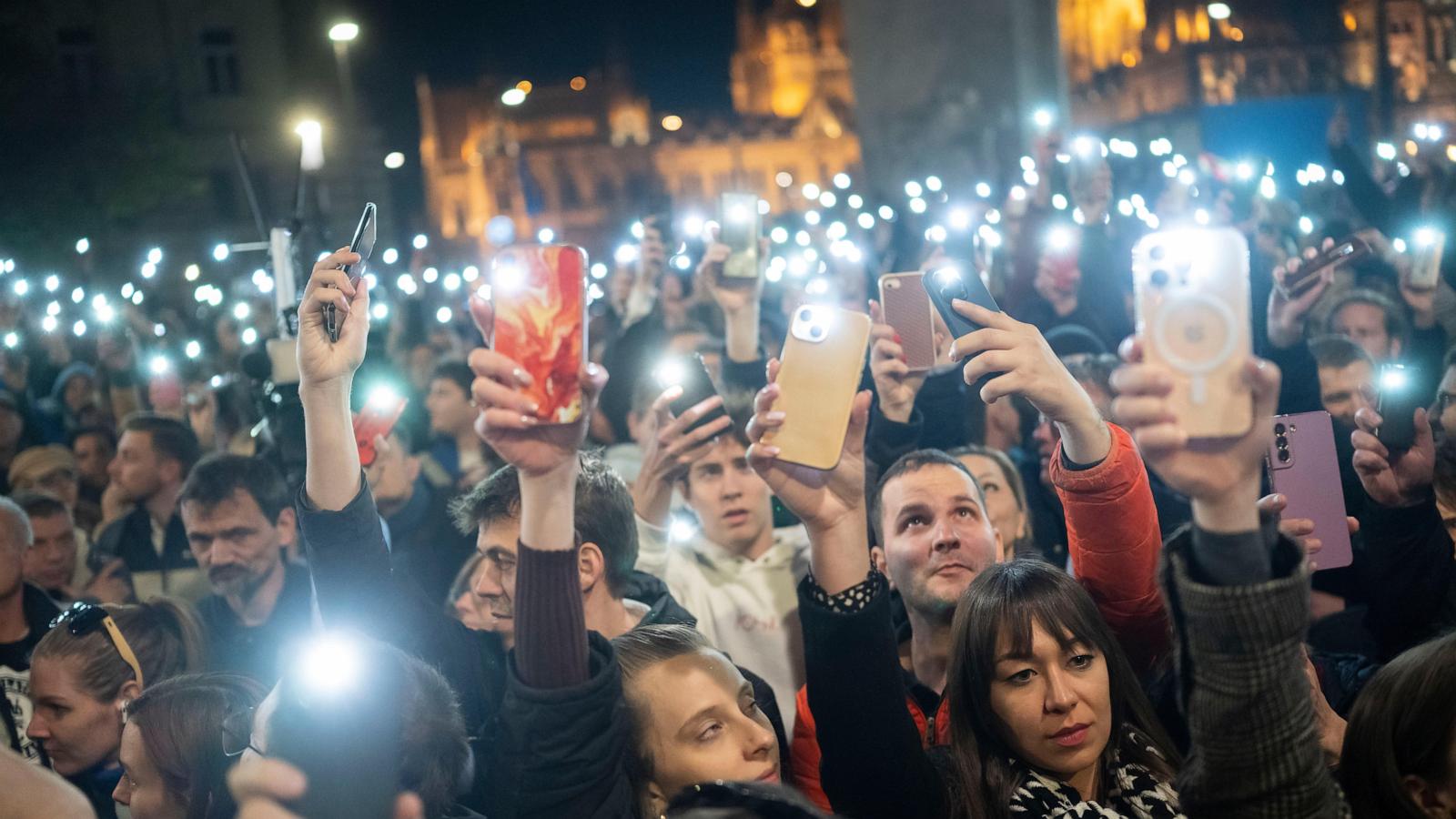
Hungarian Prime Minister Viktor Orbán faces growing opposition from young voters ahead of April 12 elections, with polling data revealing a stark generational divide that could determine the outcome of the race.
A recent survey by pollster 21 Research Center found that 65% of voters under 30 support opposition candidate Péter Magyar and his center-right Tisza party, while only 14% back Orbán. The 45-year-old lawyer broke with Orbán's Fidesz party in 2024 following a political scandal and now leads in overall polling against the 62-year-old prime minister, who has governed Hungary for 16 years.
The generational split extends to older voters, where Fidesz maintains strong support. Among retirement-age Hungarians, Fidesz leads Tisza 50% to 19%, according to the same poll. Many older voters cite government policies such as pension supplements and family benefits, including abolished income tax for mothers with multiple children and state-backed loans for first-time homebuyers.
Tisza's rise began after a February 2024 scandal involving a presidential pardon for an accomplice in a child sexual abuse case. The revelation led to resignations of the president and justice minister, both close Orbán allies. The controversy sparked protests led by social media influencers that drew tens of thousands of participants, marking what researchers describe as a political awakening among Hungarian youth.
Magyar has campaigned on promises to restore Hungary's Western orientation and move away from closer ties with Russia and China that have characterized Orbán's recent foreign policy. He also pledges to revive Hungary's stagnating economy by recovering billions in blocked EU funds tied to rule-of-law and corruption concerns.
Despite leading in polls, Tisza faces challenges in securing victory. Orbán maintains advantages among older voters and in rural areas, where his nationalist-populist message continues to resonate. The prime minister's government defines itself as "illiberal" and Christian-national, policies that have made him a prominent figure in global far-right politics while drawing criticism from EU partners over press freedom and institutional independence.