EU border control changes face implementation delays and extensions
New EU border checking systems experience delays at Dover while Poland extends existing border controls with neighboring countries.
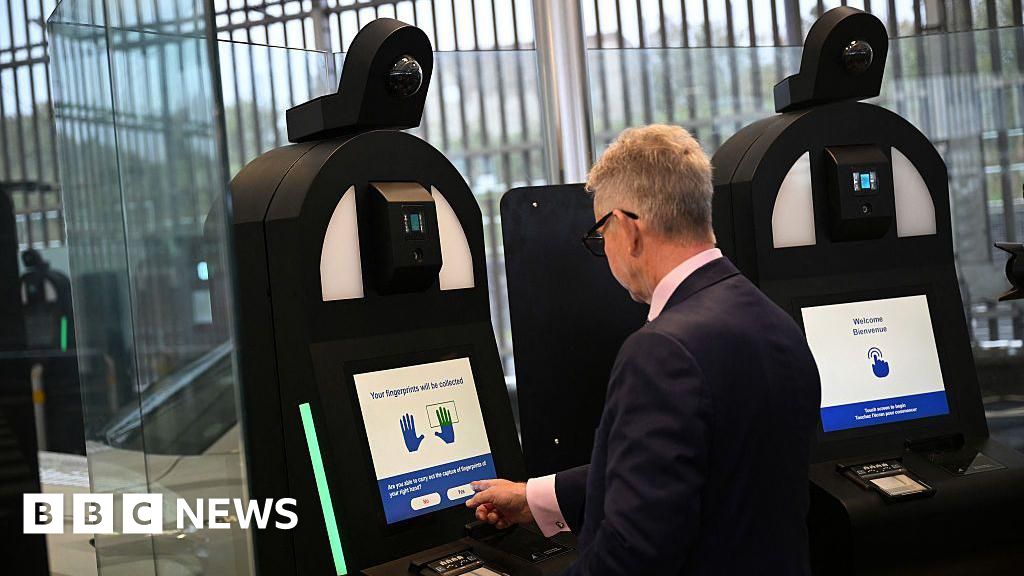
European Union border control measures are experiencing mixed implementation timelines across different member states and entry points.
The European Union's new border checking system, which was scheduled for full implementation at the Eurotunnel and Port of Dover on April 10, has encountered fresh delays. The system represents part of broader EU efforts to modernize border security procedures.
Meanwhile, Poland has announced an extension of its current border checks with Germany and Lithuania. The decision affects two of Poland's major border crossings with fellow EU member states.
The delays at Dover affect one of Europe's busiest cross-border transit points, handling significant passenger and freight traffic between the United Kingdom and continental Europe. The port and tunnel systems process millions of travelers and vehicles annually.
Poland's border control extensions come amid ongoing discussions about security measures within the Schengen Area, where internal border checks are typically minimal or absent between member countries.
Both developments reflect the ongoing challenges EU member states face in balancing security requirements with the free movement principles that underpin European integration.