Western U.S. Faces Historic Snow Drought in 2026 Winter Season
The Western United States experienced an unprecedented lack of snowfall during the 2026 winter season, raising concerns about water supplies and economic impacts.
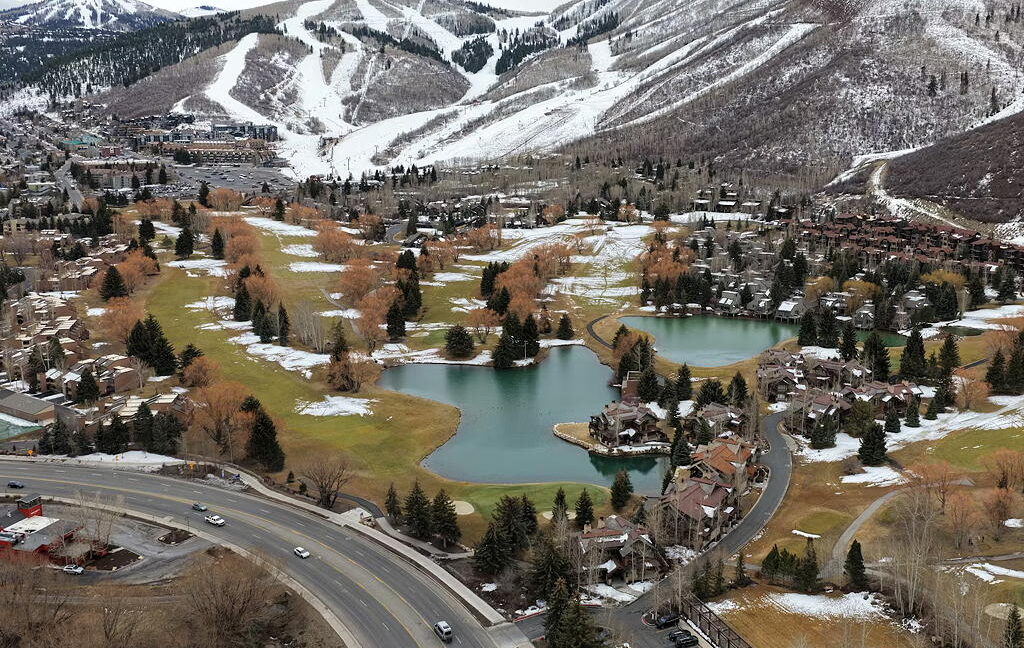
Much of the Western United States experienced a historic snow drought during the winter of 2026, with many regions receiving little to no snowfall during what is typically the wettest season of the year.
The absence of snow represents a significant departure from normal weather patterns across the region, which relies heavily on snowpack for water storage throughout the year. Mountain snowpack typically serves as a natural reservoir, gradually melting during spring and summer months to provide water for agriculture, municipal supplies, and hydroelectric power generation.
Colorado's snowpack has been particularly affected by the unusual weather conditions, with melting occurring earlier than normal seasonal patterns would suggest. The state's mountain regions, which typically accumulate substantial snow during winter months, have seen dramatically reduced accumulation.
The snow drought conditions could have far-reaching implications for water availability, agricultural production, and energy generation across the Western states. Water managers and agricultural producers are closely monitoring the situation as they prepare for the upcoming growing season.
The phenomenon has also raised concerns about potential economic impacts, including effects on energy markets. Some analysts suggest the weather conditions could influence natural gas and liquefied natural gas pricing, as reduced hydroelectric generation capacity may increase demand for alternative energy sources.