Gender wage gap widens for second consecutive year as Equal Pay Day falls later
Women earned 80.9% of men's wages in 2024, down from 82.7% in 2023, marking the second straight year the gender pay gap has widened after two decades of gradual improvement.
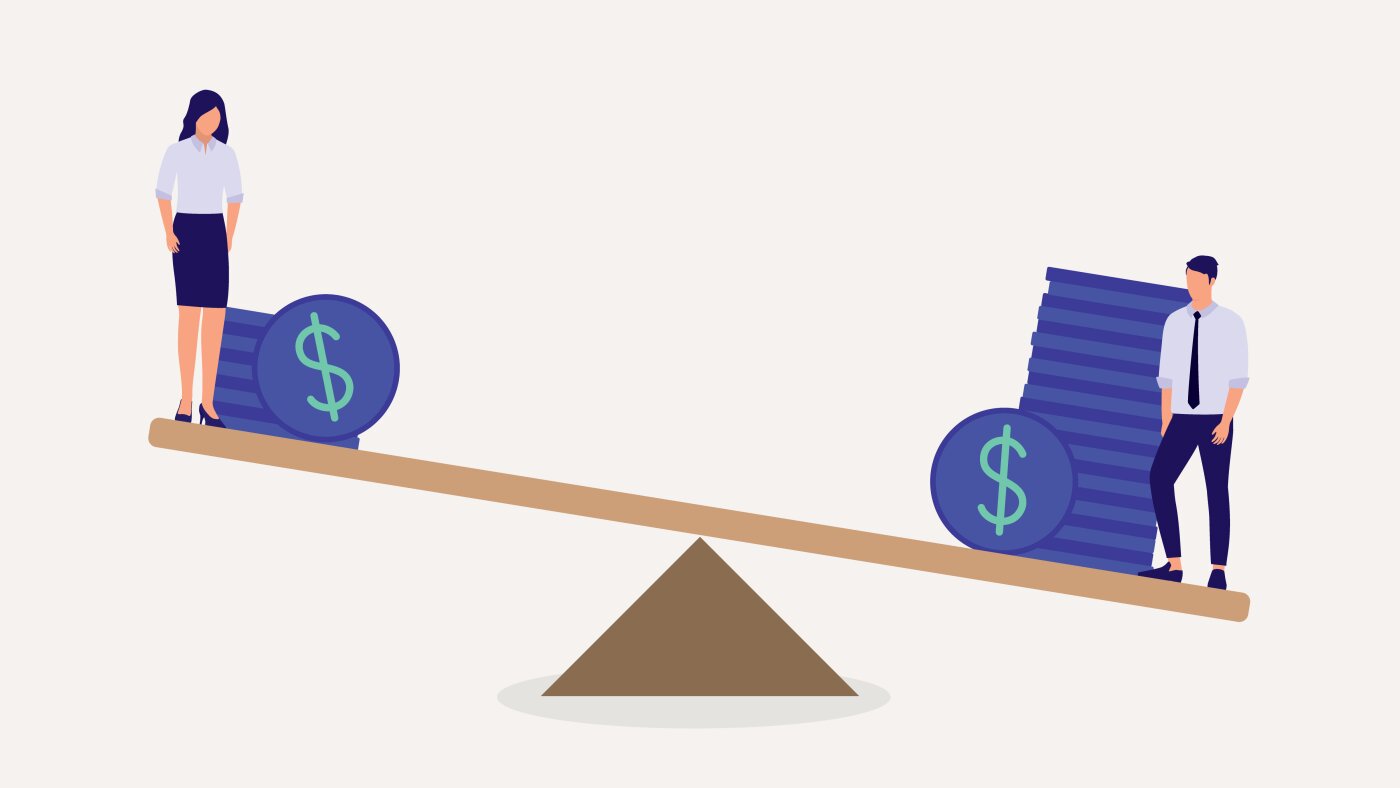
The gender wage gap in the United States widened for the second consecutive year in 2024, with women working full-time earning 80.9% of what men earned, down from 82.7% in 2023, according to U.S. Census Bureau data. This reversal follows two decades of gradual narrowing of the pay disparity.
Equal Pay Day, which symbolizes how far into the year women must work to earn what men made in the previous year, fell on March 26 this year—one day later than in 2025. The observance has moved earlier over time, falling 16 days sooner than the first Equal Pay Day on April 11, 1996, when women earned about 75 cents for every dollar earned by men.
A new Associated Press-NORC poll reveals stark differences in how men and women perceive workplace pay equity. About 60% of employed women believe men have more opportunities for competitive wages, while only 40% of employed men share that view. Approximately 30% of working women report personally experiencing wage discrimination based on gender, compared to about 10% of men.
The survey also found that working women experience higher levels of economic stress, with about 60% saying their pay amount is a major source of stress, compared to 40% of employed men. Similar disparities exist regarding concerns about grocery and housing costs.
Economists attribute the recent widening of the wage gap partly to the post-pandemic return of many low-wage women workers, which brought down average female earnings. The labor force participation rate of mothers with young children has also declined, partly due to return-to-office mandates that reduced pandemic-era workplace flexibility.
The Trump administration has modified federal enforcement approaches to wage discrimination, ending the enforcement of "disparate impact liability" in civil rights cases and reducing resources for the Office of Federal Contract Compliance Programs. Meanwhile, numerous Democratic-led states have enacted pay transparency laws requiring employers to disclose salary ranges in job postings.