California Laws Face Scrutiny Over Public Safety and Victim Privacy Concerns
Two separate California legal issues have emerged involving elderly parole eligibility for sex offenders and gaps in victim privacy protections.
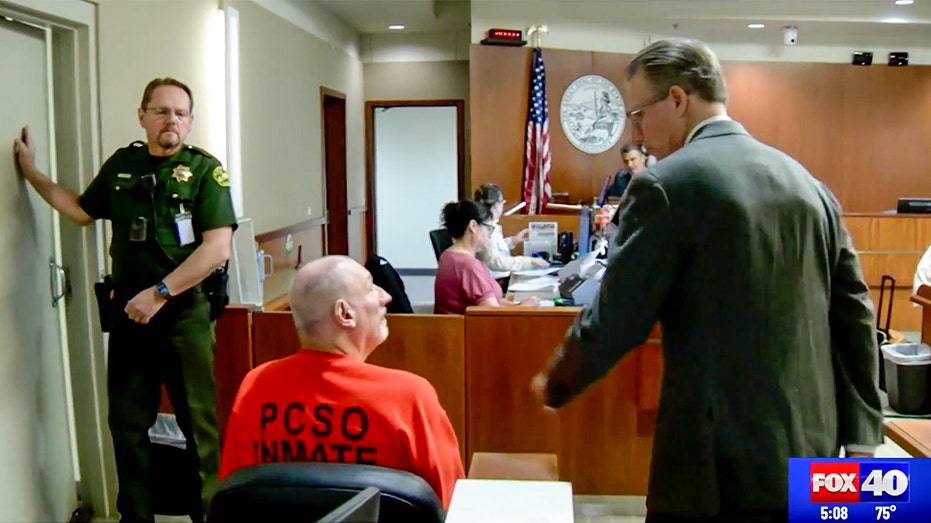
California state laws are facing renewed examination from different angles as advocates raise concerns about public safety and victim privacy protections.
Under California's elderly parole statute, sex offenders over age 50 become eligible to seek release after serving 20 years of their sentences. Critics argue this policy creates potential public safety risks, particularly regarding crimes against children, as it allows convicted offenders to petition for early release based primarily on age rather than the nature of their original crimes.
Separately, the case of Denise Huskins, whose 2015 kidnapping and sexual assault gained national attention through the Netflix documentary "American Nightmare," has revealed gaps in state privacy protections for crime victims. Huskins' case has exposed what advocates describe as insufficient legal safeguards for protecting explicit evidence in sexual assault cases.
The privacy concerns center on how evidence containing sensitive material is handled and stored, with advocates arguing that current state law does not adequately protect victims from potential exposure of intimate evidence collected during criminal investigations.
Both issues are now drawing attention at the California State Capitol, where lawmakers are considering potential reforms. The elderly parole law discussions focus on whether age-based release criteria should be modified for certain categories of violent crimes, while the victim privacy concerns are driving proposals for stronger evidence protection protocols.
Advocates for both causes argue that existing California statutes contain loopholes that inadequately address public safety and victim rights in the criminal justice system.