India Faces Dual Health and Tech Industry Transitions
India's IT sector confronts AI disruption concerns while generic weight-loss drugs enter market following patent expiration.
India is experiencing significant developments across two major industries as technological disruption and pharmaceutical market changes reshape key economic sectors.
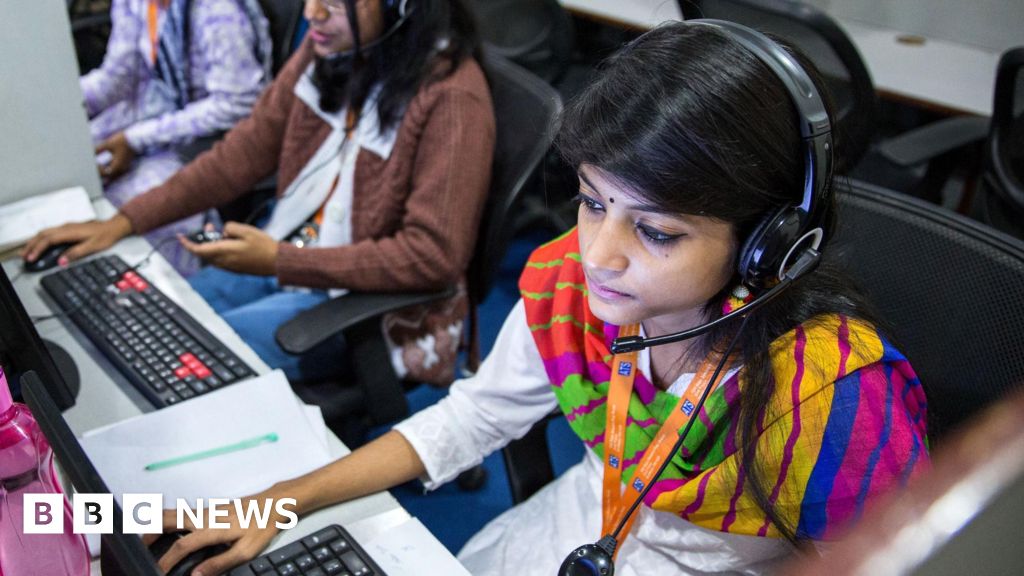
The country's $300 billion outsourcing industry is facing uncertainty as artificial intelligence technology raises questions about the future of back-office operations. Indian IT stocks have declined amid investor concerns that AI could disrupt traditional outsourcing services that have been a cornerstone of the nation's technology sector growth.
Industry observers remain divided on the severity of the threat, with some analysts suggesting fears about AI's impact on India's IT services may be excessive. The outsourcing industry has historically adapted to technological changes while maintaining its competitive position in global markets.
Simultaneously, India's pharmaceutical sector is preparing for a major shift in the weight-loss medication market. The patent for semaglutide, a key obesity treatment, expired on March 20, opening the door for generic competition.
Approximately 50 branded generic versions of the weight-loss drug are expected to enter the Indian market following the patent expiration. This development could significantly impact global obesity treatment access and pricing, as India's generic pharmaceutical manufacturers are known for producing lower-cost alternatives to branded medications.
The convergence of these industry changes reflects broader economic transitions as India navigates technological advancement while leveraging its manufacturing capabilities in the pharmaceutical sector.