Senate to Consider Republican Bill Requiring Citizenship Proof for Voter Registration
Republicans plan extended Senate debate on legislation requiring new voters to prove citizenship when registering, despite Democratic opposition.
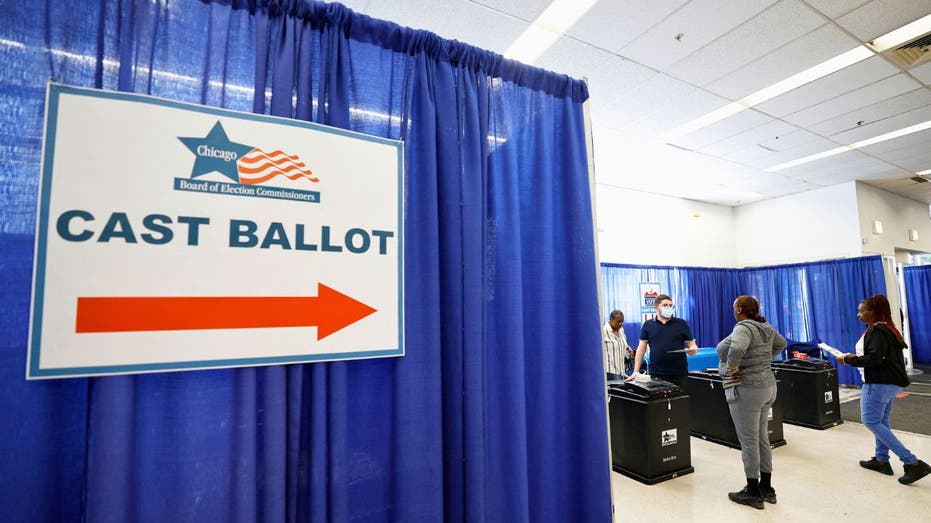
The Senate will take up legislation as early as Tuesday that would require Americans to provide proof of citizenship when registering to vote, as Republican leaders plan an extended floor debate on the measure despite slim chances of passage.
The Safeguard American Voter Eligibility (SAVE) America Act would require new voters to present documents such as a valid U.S. passport or birth certificate when registering. Driver's licenses from most states would not suffice under the bill, which mandates that identification comply with REAL ID standards and indicate U.S. citizenship. Military members could present military ID along with service records showing birthplace.
The legislation would also establish a nationwide voter identification requirement for all federal elections, including mail-in voting where voters would need to send photocopies of valid ID. Currently, 36 states have voter identification laws with varying requirements, according to the National Conference of State Legislatures. Overseas military personnel and some disabled individuals would be exempt from these rules.
Under the bill, states would be required to share voter roll information with the Department of Homeland Security to verify citizenship status, giving federal authorities unprecedented access to state voter data. The measure would create penalties for election officials who register applicants without proper documentation and allow private individuals to sue election officials in certain circumstances.
Democrats oppose the legislation uniformly, arguing it would disenfranchise millions of American voters who lack readily available documents like birth certificates. Senate Democratic Leader Chuck Schumer predicted the federal data sharing requirement could result in "tens of millions of people" being purged from voter rolls.
President Trump has championed the bill and suggested Republicans eliminate the filibuster to pass it, though Senate Majority Leader John Thune has said there is insufficient support for that approach. Instead, Republicans plan a week-long debate to highlight their position. If enacted, the new requirements would take effect immediately, which critics say could create implementation challenges with primary elections beginning next month.