Researchers discover oldest known whale recording from 1949
Scientists at Woods Hole found a 1949 humpback whale recording that predates the discovery of whale song by nearly 20 years.
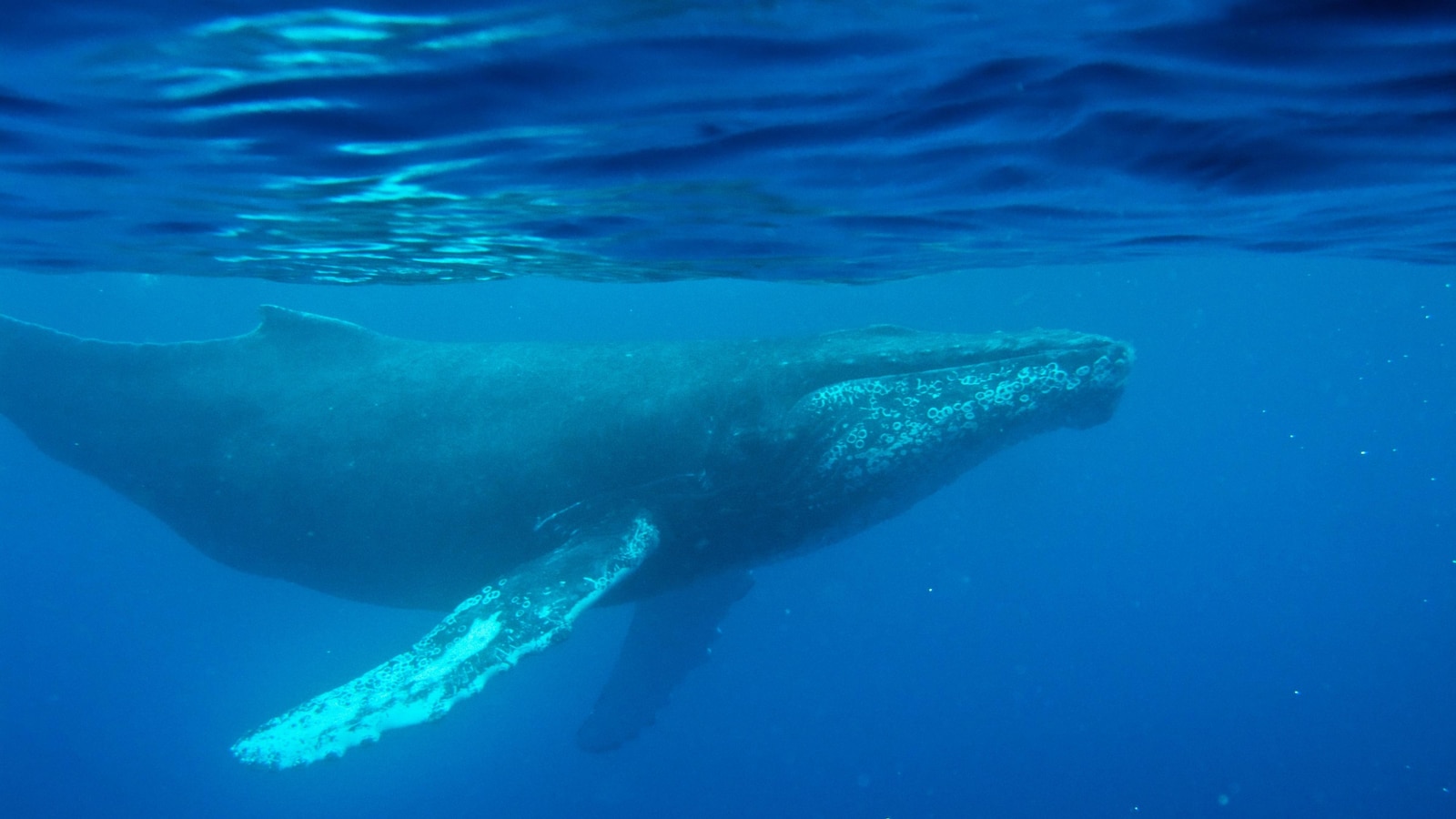
Researchers at Woods Hole Oceanographic Institution have discovered what they believe to be the oldest known recording of whale sounds, captured in March 1949 near Bermuda. The recording features a humpback whale song that predates scientist Roger Payne's famous discovery of whale song by nearly 20 years.
The sound was recorded by scientists aboard a research vessel who were testing sonar systems and conducting acoustic experiments with the U.S. Office of Naval Research. According to Ashley Jester, director of research data and library services at Woods Hole, the scientists didn't know what they were hearing but decided to record and preserve the sounds anyway.
Woods Hole researchers discovered the recording while digitizing old audio materials last year. The whale song was preserved on a plastic disc created by a Gray Audograph, a dictation machine used in the 1940s. The plastic medium proved crucial for preservation, as most recordings from that era were made on tape, which has since deteriorated.
Peter Tyack, a marine bioacoustician and emeritus research scholar at Woods Hole, said the recording is significant not only for documenting whale communication but also for capturing the ocean's soundscape from the late 1940s. The ocean environment of that time was much quieter than today's waters, providing researchers with a different acoustic backdrop than they typically study.
The discovery could help scientists better understand how human-made sounds, particularly increased shipping noise, affect whale communication patterns. According to research from the National Oceanic and Atmospheric Administration, whales can alter their calling behavior in response to environmental noise changes.
Humpback whales are known as the ocean's most accomplished singers, capable of complex vocalizations that serve multiple purposes including finding food, navigation, and social communication. These marine mammals, which can weigh more than 55,000 pounds, use various sounds including clicks, whistles, and calls to survive and interact in the vast ocean environment.