Tehran residents describe fear and isolation amid ongoing U.S.-Israeli airstrikes
Residents of Iran's capital report psychological trauma from two weeks of bombardment, with damaged landmarks and restricted internet access.
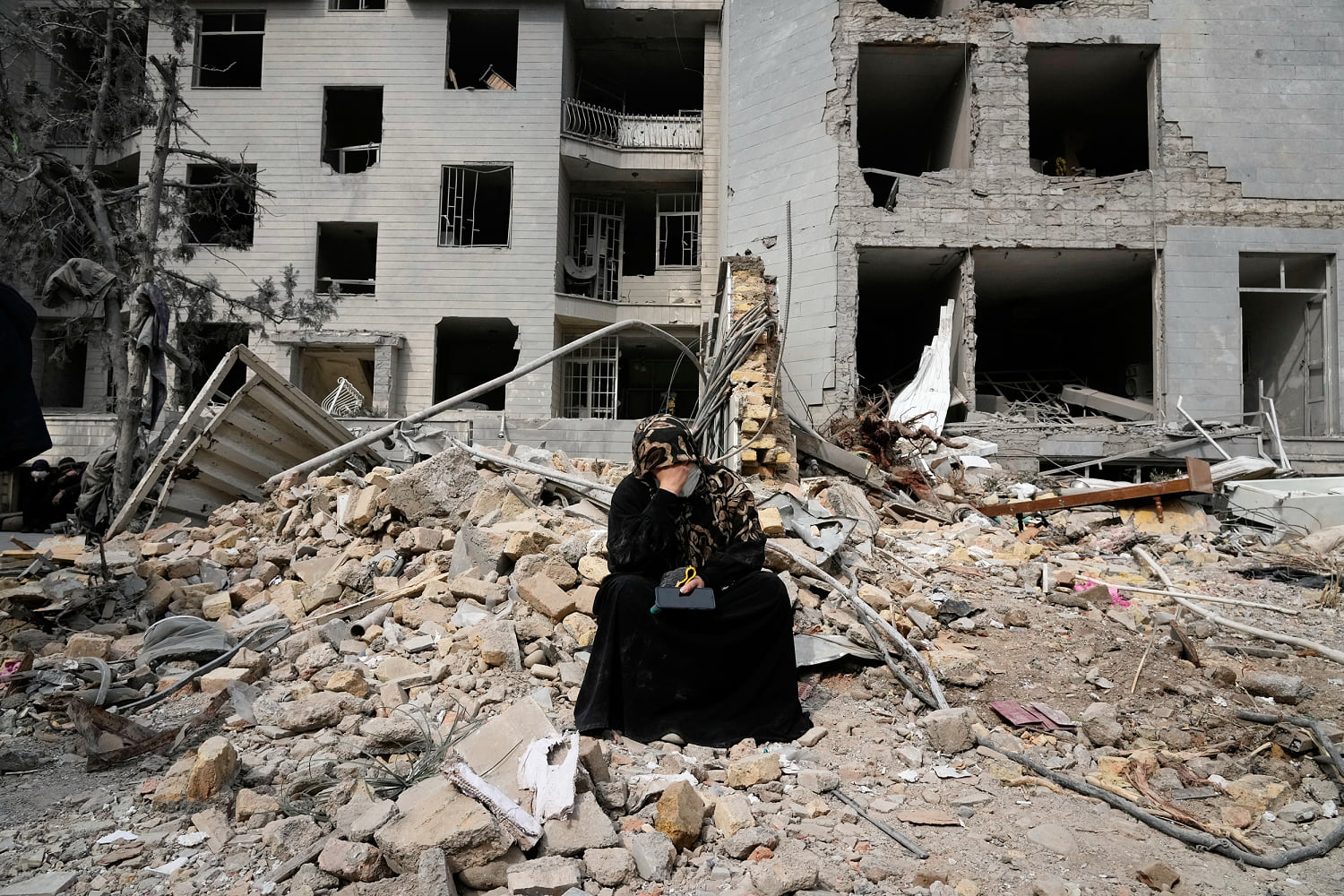
Residents of Tehran are living in fear and isolation as U.S.-Israeli airstrikes on Iran's capital enter their third week, according to multiple accounts from people living in the city. The bombardment, which began February 28, has struck thousands of military and paramilitary sites while also damaging civilian infrastructure.
The airstrikes have hit locations across Tehran without warning systems or sirens, leaving residents in a constant state of anxiety. Notable landmarks have been affected, including the Azadi Square archway, which was enveloped in smoke after nearby strikes, and the historic Golestan Palace, which had its windows blown out. Oil depot strikes last weekend created particularly severe conditions, with giant fires and toxic black smoke filling the air.
Internet access has been largely shut down since the strikes began, with only a small portion of residents able to access news through virtual private networks. Families and friends are relying on phone calls and in-person gatherings to share information about strike locations and damage. Many shops and supermarkets remain open, but the traditional bazaar is closed and streets are largely empty as people stay home.
The Iranian Red Crescent reports that thousands of civilian sites have been damaged, including hospitals, schools, universities and homes. Iran has not updated its death toll beyond the previously reported figure of over 1,200. The strikes have primarily targeted positions of the Revolutionary Guard, Basij militia, and police forces - the same security apparatus that suppressed anti-government protests earlier this year.
Security forces have maintained a heightened presence on Tehran's streets to prevent protests. On Monday, the commander-in-chief of Iran's security forces warned that anyone taking to the streets in protests would be treated as enemies. The government has also encouraged pro-government demonstrations, particularly following the announcement that Ayatollah Mojtaba Khamenei has succeeded his father as supreme leader after the elder Khamenei was killed in the opening strikes of the conflict.